预约演示
更新于:2026-08-30
Elasomeran
艾拉索米瑞
更新于:2026-08-30
概要
基本信息
药物类型 预防性疫苗、mRNA疫苗 |
别名 andusomeran、COVID-19 mRNA vaccine、COVID-19 Vaccine Moderna + [12] |
作用方式 抑制剂 |
作用机制 SARS-CoV-2 S protein抑制剂(冠状病毒刺突糖蛋白抑制剂) |
非在研适应症- |
原研机构 |
最高研发阶段批准上市 |
首次获批日期 加拿大 (2020-12-23), |
最高研发阶段(中国)- |
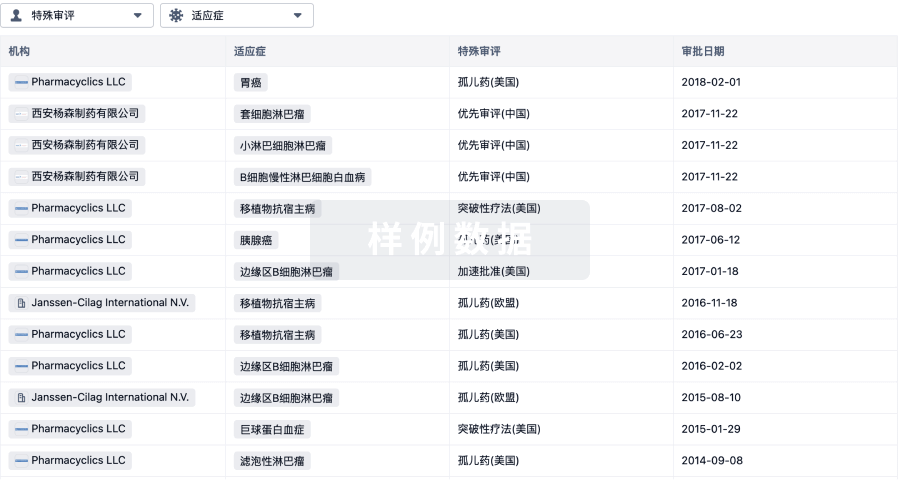
特殊审评快速通道 (美国)、紧急使用授权 (美国)、优先审评 (美国) |




登录后查看时间轴
结构/序列
Sequence Code 776927365

来源: *****
关联
80
项与 艾拉索米瑞 相关的临床试验NCT07279766
A Phase 4 Pragmatic, Randomized Trial to Evaluate the Effectiveness of mRNA-1273 Variant-Containing Vaccine Formulation Against Severe Outcomes in Adults Aged 50-64 Years Without Risk Factors for Severe COVID-19
The purpose of this pragmatic randomized trial is to evaluate the vaccine effectiveness of the COVID-19 vaccine, mRNA-1273, in adults aged 50-64 years without known risk factors for severe COVID-19 infection. Participants will be randomized 1:1 to either COVID-19 vaccine or no COVID-19 vaccine.
开始日期2025-12-11 |
申办/合作机构 |
NCT07266558
A Phase 4, Randomized, Observer-Blind, Placebo-Controlled Study to Evaluate the Efficacy and Safety of mRNA-1283 And mRNA-1273 Variant-Containing Formulation in Adults 50 to 64 Years of Age Without Underlying Conditions That Put Them at High Risk for Severe Outcomes From COVID-19
The purpose of this study is to evaluate the efficacy and safety of mRNA-1283 and mRNA-1273 (variant formulations) in adults 50 to 64 years of age without high risk factors for severe COVID-19.
开始日期2025-11-26 |
申办/合作机构 |
NCT06585241
A Phase 3b/4, Open-label Study to Assess the Immunogenicity and Safety of mRNA COVID-19 Variant-containing Vaccine Formulations
The purpose of this study is to investigate the immunogenicity and safety of mRNA COVID-19 variant-containing vaccine formulations against the vaccine-matched variants and newly emerged variants of severe acute respiratory syndrome coronavirus 2 (SARS-CoV-2).
开始日期2024-09-09 |
申办/合作机构 |
100 项与 艾拉索米瑞 相关的临床结果
登录后查看更多信息
100 项与 艾拉索米瑞 相关的转化医学
登录后查看更多信息
100 项与 艾拉索米瑞 相关的专利(医药)
登录后查看更多信息
2,028
项与 艾拉索米瑞 相关的文献(医药)2026-12-31·JOURNAL OF MEDICAL ECONOMICS
Modeling the cost-effectiveness of the next-generation COVID-19 mRNA-1283 vaccine in the United States
Article
作者: Kohli, Michele ; Fust, Kelly ; Van de Velde, Nicolas ; Joshi, Keya ; Cartier, Shannon ; Beck, Ekkehard ; Lee, Amy ; Weinstein, Milton
AIMS:
COVID-19 disease burden in United States (US) adults ≥65 years and persons with underlying medical conditions remains high. This modeling study estimated the cost-effectiveness of the next-generation COVID-19 mRNA-1283 vaccine in persons aged 12-64 at high risk of severe COVID-19 outcomes and all adults ≥65 years.
METHODS:
mRNA-1283 was compared with no annual vaccination and originally licensed mRNA vaccines mRNA-1273 and BNT162b2. Analyses were conducted using a static decision-analytic model (1-year horizon). Vaccine effectiveness (VE) against infection and hospitalization for mRNA-1283 versus no vaccination was based on relative VE (rVE) from the Phase 3 pivotal randomized controlled trial comparing mRNA-1283 against mRNA-1273, and mRNA-1273 real-world data. rVE estimates for mRNA-1283 versus BNT162b2 were based on an indirect treatment comparison. The societal incremental cost per quality-adjusted life-year (QALY) gained and the benefit-cost ratio (BCR) were calculated.
RESULTS:
During the 2025/2026 season, a single dose of mRNA-1283 was estimated to yield an incremental cost per QALY gained of $16,247 compared with no vaccine. The BCR for the base case strategy ranged from $2.16-9.74 returned for every $1 spent for mRNA-1283. mRNA-1283 was estimated to dominate originally-licensed mRNA-COVID-19 vaccines in analyses of the target population. Results were sensitive to COVID-19 incidence, hospitalization rates, post-discharge mortality rates, and VE.
LIMITATIONS:
The real-world effectiveness and safety of mRNA-1283 have not yet been established, and relative VE estimates should be validated with real-world data. Full year 2025/2026 COVID-19 incidence and vaccine uptake in the US is uncertain.
CONCLUSIONS:
Study results suggest mRNA-1283 may represent a highly cost-effective strategy (considering a $100,000-150,000 per QALY willingness-to-pay threshold) to reduce COVID-19 burden. Based on rVE assumptions made, mRNA-1283 was estimated to dominate originally-licensed mRNA vaccines in this recommended population. mRNA-1283 may provide a valuable option to optimize US COVID-19 immunization programs and protect those most vulnerable.
2026-12-31·Human Vaccines & Immunotherapeutics
Hematologic adverse events following COVID-19 vaccination and revaccination in persons aged 12 and above: A Canadian Immunization Research Network study
Article
作者: Lam, Godfrey ; McHenry, Mary ; Barber, Colin ; Castellucci, Lana A. ; Rosenfield, Lana ; Belga, Sara ; Deeks, Shelley ; Rex, Greg ; Sadarangani, Manish ; Constantinescu, Cora ; Roches, Anne Des ; Cameron, Scott B. ; Zaborniak, Karver ; Bosonea, Ana ; Viel-Theriault, Isabelle ; Cowan, Juthaporn ; Pham-Huy, Anne ; Finlay, Jane ; McConnell, Athena ; Chew, Jo Lin ; Vaudry, Wendy ; Lacuesta, Gina ; Abdurrahman, Zainab ; Quach, Caroline ; McNeil, Shelly ; Halperin, Scott ; Morris, Shaun K. ; De Serres, Gaston ; Mah, Allison ; Burton, Catherine ; Wilson, Sarah ; Pernica, Jeffrey M. ; Naus, Monika ; Chapdelaine, Hugo ; Grant, Ian ; Hildebrand, Kyla ; Pourshahnazari, Persia ; Gantt, Soren ; Salvadori, Marina ; Falcone, Emilia ; Buchan, C. Arianne ; Piche-Renaud, Pierre-Philippe ; Rubin, Tamar ; Kalicinsky, Chrystyna ; Kanani, Amin ; Suresh, Sneha ; Top, Karina A. ; Morris, Shaun ; Shivakumar, Sundeep ; Drolet, Jean-Philippe ; Blaquiere, Martin ; Upton, Julia ; Mak, Raymond ; Betschel, Stephen ; Comeau, Jeannette ; Salvo, Grazia ; Sturtevant, Doris ; Simons, Elinor ; Cook, Victoria ; Wright, Alissa ; Vostretsova, Kateryna ; Song, Christine ; Gagnon, Remi ; Carignan, Alex ; Smolinski, Michael ; Fitzpatrick, Tiffany
Data on safety of revaccination after a hematologic adverse event following immunization (AEFI) with COVID-19 vaccines are limited. This study characterized hematologic AEFIs in patients assessed by Canadian Special Immunization Clinic (SIC) network physicians from January 2021 to February 2023 and estimated recurrence rates of hematologic events after revaccination. Following clinical assessment of 475 individuals, revaccinated participants were followed for recurrence of AEFI. Thirty-eight cases (21 [55.3%] males and 17 [44.7%] females) with hematologic AEFIs and aged ≥12 were included in the analysis; 31/38 participants (81.6%) were 18 to 64 y old. Immune thrombocytopenia, deep vein thrombosis and pulmonary embolism were the most common diagnoses, accounting for 11 (28.9%), 9 (23.7%) and 9 (23.7%), cases. Two cases of thrombosis with thrombocytopenia syndrome (TTS) were reported after ChAdOx1. The vaccines associated with hematologic AEFIs were BNT162b2 (17, 44.7%), ChAdOx1 (11, 28.9%), and mRNA-1273 (10, 26.3%). Twenty-seven (71.1%) participants were revaccinated; 14 (51.9%) received the same vaccine product as their initial vaccine while 13 (48.1%) received a different product. There were no recurrences of the same AEFI reported after revaccination with an mRNA vaccine, including the two patients with TTS, suggesting that hematologic AEFI recurrences following COVID-19 vaccines are likely uncommon.
2026-12-31·JOURNAL OF MEDICAL ECONOMICS
Modeling the cost-effectiveness of the COVID-19 mRNA-1273 vaccine in the United States
Article
作者: Kohli, Michele ; Joshi, Keya ; Fust, Kelly ; Van de Velde, Nicolas ; Cartier, Shannon ; Weinstein, Milton ; Beck, Ekkehard
OBJECTIVE:
The main objective was to estimate the potential public health impact and cost-effectiveness of an annual dose of mRNA-1273 in the United States (US) for a one-year time horizon compared with no vaccination in the mRNA-1273 licensed population (6 months-64 years with underlying medical conditions and all ≥65 years). mRNA-1273 was also compared to BNT162b2 in high-risk adults ages 18-64 years and all ≥65 years.
METHODS:
Analyses were conducted using a previously developed static decision-analytic model (1-year horizon) from the societal cost perspective. Vaccine effectiveness (VE) against infection and hospitalization for mRNA-1273 versus no vaccination was based on a 2024-2025 real world effectiveness study. VE estimates for mRNA-1273 versus BNT162b2 were based on systematic literature reviews and meta-analyses. Cost-effectiveness was assessed in terms of incremental cost per quality-adjusted life-year (QALY) gained and the benefit cost ratio (BCR) in the licensed target population as well as age-specific subgroups. Sensitivity and scenario analyses were performed.
RESULTS:
Between September and August, a single dose of mRNA-1273 was estimated to yield an incremental cost per QALY gained of $23,265 compared to no vaccine. For every 1 USD of mRNA-1273 vaccine related costs, there is a return of 1.91-7.90 dollars in societal perspective cost savings and monetized health benefit gained. In the subgroup of high-risk individuals 6 months-4 years, mRNA-1273 was associated with lower costs and improved health outcomes, resulting in mRNA-1273 dominating no vaccine. Study results are sensitive to COVID-19 incidence, percentage hospitalized, post-discharge mortality, and VE assumptions. Compared to BNT162b2, given improved clinical outcomes, combined with a lower vaccine unit cost, mRNA-1273 was estimated to dominate BNT162b2.
CONCLUSIONS:
mRNA-1273, the only licensed vaccine for those <5 years of age at high risk of severe COVID-19 related outcomes, could substantially reduce the clinical and economic burden of COVID-19 among US high-risk populations and older adults. These benefits were observed both in comparison to no vaccination and the BNT162b2 vaccine.
1,542
项与 艾拉索米瑞 相关的新闻(医药)2026-08-28
肿瘤治疗正在进入精准免疫时代。继mRNA技术凭借COVID-19疫苗实现全球规模化应用后,越来越多创新型生物医药企业开始探索其在肿瘤治疗领域的全新价值——个性化肿瘤疫苗(PCV)。这种新型免疫疗法并非针对所有患者设计“一种疫苗”,而是基于每位患者肿瘤基因特征,通过下一代测序(NGS)和生物信息学分析,识别患者特异性的肿瘤新抗原,并设计能够精准激活免疫系统的个体化疫苗。其核心机制是诱导抗原特异性T细胞免疫反应,使患者自身免疫系统能够识别并清除肿瘤细胞,同时最大程度降低对正常组织的影响。
近年来,个性化肿瘤疫苗的发展正在从概念验证逐步迈向临床应用阶段。其中,Moderna与默沙东联合开发的个体化mRNA新抗原疗法intismeran autogene(V940/mRNA-4157)成为该领域最受关注的候选产品之一。该疗法与PD-1免疫检查点抑制剂Keytruda(帕博利珠单抗)联合使用,用于接受完全切除后的高风险黑色素瘤患者辅助治疗。8月19日,默沙东与Moderna宣布,Ⅲ期INTerpath-001临床试验取得积极顶线结果。该研究在1137例IIB-IV期高危黑色素瘤患者中开展,结果显示,与Keytruda单药治疗相比,V940联合Keytruda方案在无复发生存期(RFS)这一主要终点以及无远处转移生存期(DMFS)这一关键次要终点上均达到统计学显著性和具有临床意义的改善。这一结果被认为是个体化新抗原疗法以及mRNA肿瘤疫苗领域首次获得积极Ⅲ期临床结果,标志着该技术路线从早期探索进入更具商业化潜力的发展阶段。
然而,个性化肿瘤疫苗的发展仍面临制造、临床开发以及监管等多方面挑战,包括患者特异性生产模式带来的CMC复杂性、新抗原筛选和预测准确性、生产周期控制、临床评价体系建立以及规模化商业生产能力建设等。本文将简要介绍个性化肿瘤疫苗的优势与机遇,以及开发中的潜在挑战和应对措施。
多维策略提升个性化肿瘤疫苗的免疫激活能力
个性化肿瘤疫苗的核心价值在于通过精准识别患者肿瘤特异性新抗原,诱导针对性免疫反应。然而,由于肿瘤微环境通常具有较强的免疫抑制特征,仅依靠疫苗抗原本身往往难以产生足够强度和持续时间的抗肿瘤免疫。因此,目前进入临床开发阶段的个性化肿瘤疫苗通常并非作为单一疗法使用,而是通过佐剂增强、先进递送系统以及免疫联合治疗等策略,提高疫苗免疫原性并改善治疗效果。
佐剂是增强疫苗免疫反应的重要辅助成分。当其与抗原共同给药时,可以促进免疫细胞募集、增强抗原呈递细胞的活化,并进一步激发特异性T细胞免疫反应。对于肿瘤疫苗而言,仅包含抗原成分的“裸疫苗”通常难以有效诱导适应性免疫,尤其是在缺乏炎症刺激的肿瘤患者体内。根据作用机制不同,佐剂通常可分为两类:一类是抗原储存型佐剂,例如脂质体和乳剂,通过延长抗原释放时间提高免疫暴露;另一类是免疫刺激型佐剂,例如Toll样受体(TLR)激动剂,通过激活先天免疫通路增强后续适应性免疫反应。目前,部分佐剂平台已经实现临床应用,例如Montanide油包水乳剂系统,但更多针对肿瘤疫苗设计的新型佐剂仍处于研发阶段。
除佐剂外,高效递送系统也是提高个性化肿瘤疫苗效果的关键。尤其对于mRNA和DNA疫苗,由于核酸分子容易被体内核酸酶快速降解,无法以“裸露形式”直接进入细胞,因此需要借助纳米递送技术实现保护和靶向运输。近年来,脂质纳米颗粒(LNPs)成为mRNA疫苗最具代表性的递送平台。Moderna和Pfizer-BioNTech基于LNP技术成功开发COVID-19 mRNA疫苗,并进一步将相关经验应用于个性化肿瘤疫苗研发。此外,病毒样颗粒(VLPs)、脂质体等纳米材料也正在探索用于疫苗递送和免疫增强。
与此同时,个性化肿瘤疫苗与免疫检查点抑制剂(ICIs)的联合应用正在成为重要发展方向。肿瘤疫苗能够激活肿瘤特异性T细胞,提高免疫系统对肿瘤细胞的识别能力;而ICIs则可以解除肿瘤微环境中的免疫抑制,两者结合有望产生协同抗肿瘤效果。尤其对于传统免疫治疗响应较低的“冷肿瘤”,疫苗诱导的免疫激活可能帮助其转变为更易被免疫系统攻击的状态。
从实验室到临床应用:个性化肿瘤疫苗商业化道路上的多重挑战
尽管个性化肿瘤疫苗凭借精准靶向、免疫激活等优势展现出巨大的治疗潜力,但其从研发探索走向规模化应用仍面临来自生产制造、临床开发以及监管审批等多个环节的挑战。与传统“批量生产”的药物不同,个性化肿瘤疫苗需要针对每位患者独立设计和制造,这种高度定制化模式也对生物制药工艺、质量控制体系以及监管评价体系提出了新的要求。
CMC挑战:从个体化设计到稳定生产的工艺突破
化学、生产和质量控制(CMC)是个性化肿瘤疫苗开发中的核心挑战之一。其生产流程通常始于利用下一代测序技术对患者肿瘤样本进行分析,通过识别特异性新抗原,并结合计算机辅助设计技术完成疫苗序列设计。未来,人工智能(AI)和机器学习(ML)也有望进一步参与新抗原预测和疫苗设计过程。
然而,这些新兴技术的应用也带来了新的质量和监管要求。例如,NGS分析需要依赖经过验证的方法、符合要求的设备以及专业化人员操作;而AI/ML算法由于具有持续学习和优化能力,目前全球尚未形成统一的监管评价标准。研发企业需要在算法优化与数据一致性之间取得平衡,确保不同临床阶段以及不同患者之间的数据具有可比性,并在关键技术调整时与监管机构保持充分沟通。
此外,个性化肿瘤疫苗还面临产品放行相关挑战,包括效力检测、无菌检测和稳定性评价等。由于每位患者的疫苗产品均存在差异,传统基于标准产品建立的效力检测方法难以直接适用。因此,企业需要与监管机构共同探索更加灵活的评价策略。
在无菌检测方面,传统检测方法通常需要较长周期,可能影响个性化产品快速交付。目前,实时放行、参数放行、快速无菌检测以及“设计保证无菌”(sterility by design)等理念正在被探索,以降低生产周期并提高产品供应效率。
稳定性研究同样具有特殊性。由于个性化疫苗通常是在患者入组后才开始生产,因此企业需要通过工程批次、临床批次数据结合,以及针对不同产品特征设计稳定性研究方案,为产品质量提供支持。
非临床研究挑战:传统评价模式难以完全适用
由于每位患者的肿瘤具有独特性,每一种个性化肿瘤疫苗均为患者专属设计,传统依赖动物模型评价药代动力学(PK)、药效动力学(PD)和毒理学的方法难以直接应用。
目前,研究人员通常采用替代动物模型,例如接种特定肿瘤细胞的小鼠模型,并设计针对该模型新抗原的替代疫苗进行概念验证。这类研究能够提供一定的安全性和有效性信息,但其局限性也较为明显,因为动物模型评价的是替代产品,而非真正针对患者肿瘤设计的个体化疫苗。
毒理学研究同样面临类似问题。由于不同患者接受的疫苗组成不同,逐一开展完整毒理评价在实际操作中几乎不可行。此外,个性化肿瘤疫苗通常会联合使用佐剂,如果新型佐剂缺乏已有临床数据支持,则可能需要额外开展安全性研究。
临床开发挑战:患者选择、生产周期与治疗策略的平衡
如何选择最适合接受个性化肿瘤疫苗治疗的患者,是临床开发中的关键问题。许多肿瘤患者处于疾病晚期,并经历过多线治疗,其中化疗可能导致免疫功能下降。然而,疫苗发挥作用依赖于患者自身免疫系统,因此免疫状态不足可能影响治疗效果,甚至导致临床终点无法达到预期。
此外,个性化肿瘤疫苗的生产通常在患者入组后启动,从肿瘤样本采集、测序分析、疫苗设计到生产放行需要一定时间。即使当前先进平台已经能够显著缩短生产周期,患者在等待治疗过程中仍可能出现疾病进展。因此,如何优化生产流程,将制造周期控制在合理范围内,是实现临床应用的重要因素。
联合治疗方案也增加了临床设计复杂性。目前,个性化肿瘤疫苗通常与免疫检查点抑制剂等疗法联合使用。临床试验需要明确允许使用的伴随治疗方式,同时兼顾患者症状管理需求与试验数据可靠性。
在首次人体试验设计中,还需要综合考虑多个因素,包括:
疫苗剂量选择;
新抗原数量设计(目前临床研究通常包含约4–20个新抗原);
免疫接种次数及时间间隔;
给药方式(如皮内、皮下或肌肉注射);
佐剂选择及联合治疗策略;
后续加强免疫方案。
监管挑战:全球监管体系仍在不断探索
个性化肿瘤疫苗作为一种融合基因测序、核酸药物和精准医疗的新型疗法,其监管路径仍处于持续完善阶段。
在美国,美国食品药品监督管理局(FDA)通常将此类产品归类为治疗性肿瘤疫苗,并根据其具体特点进行监管评价。而在欧洲,相关产品主要依据组成成分进行分类,部分涉及核酸技术的产品可能被归入先进治疗药物产品(ATMPs)管理体系。随着监管政策的发展,未来更多核酸类肿瘤疫苗可能需要遵循ATMP相关法规要求。
在中国,国家药品监督管理局(NMPA)近年来持续完善细胞与基因治疗、核酸药物以及创新生物制品相关监管体系。对于个性化肿瘤疫苗而言,其涉及NGS检测、个体化设计、mRNA递送系统以及复杂生产流程等多个环节,未来可能需要结合疫苗、生物制品以及基因治疗产品的监管经验,建立更加适应个体化产品特点的评价体系。目前,中国相关企业和研究机构正在积极探索个性化肿瘤疫苗临床应用路径,监管科学体系也将在产品创新和临床需求推动下不断发展。
迈向精准抗肿瘤新时代:个性化肿瘤疫苗未来可期
个性化肿瘤疫苗正在推动肿瘤免疫治疗进入更加精准和个体化的发展阶段。尽管目前该领域仍面临生产制造、临床评价、毒理研究以及监管体系等多方面挑战,但以mRNA新抗原疫苗为代表的创新疗法已经展现出令人鼓舞的临床潜力,部分产品已进入后期临床试验阶段,并在特定患者群体中显示出改善疾病控制和降低复发风险的可能性。与此同时,大量处于早期研发阶段的新型肿瘤疫苗平台,也正在不断拓展其在实体瘤等难治性肿瘤中的应用边界。
未来,随着新抗原预测技术、人工智能辅助设计、mRNA递送平台、自动化生产工艺以及质量控制体系的持续优化,个性化肿瘤疫苗的开发效率和可及性有望进一步提升。同时,全球监管机构对于个体化生物制品评价体系的不断完善,也将为这类创新疗法的商业化应用提供更加清晰的发展路径。可以预见,个性化肿瘤疫苗将不仅是肿瘤免疫治疗领域的重要突破方向,也有望与免疫检查点抑制剂、细胞治疗等技术形成协同,为更多缺乏有效治疗选择的肿瘤患者带来更加精准、高效和持久的新型治疗方案,助力精准医疗迈向新的阶段。
随着个性化肿瘤疫苗向临床转化加速推进,稳定、高效的生物制造体系成为推动产品商业化的重要支撑。多宁生物依托一站式生物工艺平台,为mRNA及其他创新型疫苗产品开发提供全流程解决方案。通过高性能一次性技术、精准混配与缓冲液制备平台、高效下游纯化策略,以及符合GMP要求的工艺支持体系,多宁生物能够帮助客户优化研发与生产流程,提高工艺稳定性和产品一致性。从实验室探索到商业化生产,多宁生物致力于加速个性化肿瘤疫苗等前沿生物疗法的产业化进程,为精准医疗发展提供可靠的技术支撑。
中空纤维过滤器
多宁生物中空纤维过滤器凭借本地化服务、快速响应和高性价比,为生物制药企业提供可靠的分离纯化解决方案。膜材质采用亲水改性设计,吸附小、收率高,可有效保护生物大分子活性。标准化接口设计兼容市面上多品牌切向流过滤系统,操作简便、易于控制,工艺放大具有良好的线性。过滤器抗污染能力强、载量高,适用于从小试到工业化生产的多种工艺需求。丰富的规格选择,包括不同有效长度、膜孔径(MWCO)、纤维内径及膜材质,可满足超滤和微滤的多样化应用。此外,多宁生物提供稳定供货和完善技术支持,帮助客户快速完成工艺开发、优化及放大,实现高效生产和工艺稳定性。
一次性切向流管组
多宁生物一次性切向流管组可为基于中空纤维或平板膜包的切向流过滤(TFF)工艺专门设计,可结合现场使用的硬件系统进行定制化配置。管组可灵活整合不同形式过滤器、一次性隔膜泵泵头(如有)、特定泵管、导流板(如有)以及压力传感器、电导传感器等关键过程监测元件,满足不同工艺操作和过程监控需求。通过模块化和定制化设计,管组能够支持全程封闭式操作,简化工艺流程,确保无菌安全性,同时兼顾工艺的可控性和数据可追溯性,为实验室、中试及生产规模的 TFF 应用提供高效、可靠的解决方案。
DuoMix® 一次性落地式搅拌系统
多宁生物DuoMix®落地式搅拌系统覆盖从实验室数升规模到生产级数千升规模的应用需求,可灵活配置一次性搅拌袋,为mRNA药物及疫苗生产提供高效、可靠的配液解决方案。在mRNA工艺中,DuoMix®可用于转录反应缓冲液、层析平衡液、洗脱液、超滤浓缩缓冲液及LNP制剂相关溶液的配制,确保关键原辅料的一致性与稳定性。系统支持pH、电导、温度及称重等在线监测与控制,满足复杂工艺对精准配液和过程管理的要求。此外,DuoMix®还可作为中间液储存、样品暂存、切向流过滤(TFF)供液及收集容器等关键工艺单元,为mRNA生产流程提供灵活的一次性工艺支持,降低交叉污染风险并提升生产效率。
DuoWave®波浪式生物反应器
多宁生物DuoWave®波浪式生物反应器采用模块化设计,集成了高效的摇摆混合、控温及高精度传感功能,支持快速安装与参数闭环控制,其软件系统完全符合GMP与21 CFR Part 11法规要求。在mRNA生产中,DuoWave®的波浪式运动特性可为体外转录(IVT)提供卓越的混合效率与温和的剪切环境。这种低剪切力环境能够有效促进IVT反应中DNA模板、酶与核苷酸的均匀混合,确保反应动力学的稳定性,从而在提高mRNA产量的同时,降低因局部过热或剪切造成的产物降解,为制备高质量mRNA提供理想的反应平台。
参考文献:
M.Shafique, K.C.Lal, M.F.Ahmed, Personalized cancer vaccines: promise, challenges, and the path forward. Ann. Med. Surg., 2025.
P.Garg, R.Salgia, S.S.Singhal, mRNA-based cancer vaccines: A new frontier in personalized immunotherapy. Reviews on Cancer, 2026.
L.Ye, G.Zhao, J.Ma, et al., Personalized cancer vaccines: bridging immune-oncology and precision medicine for advanced therapeutics. Signal Transduction and Targeted Therapy, 2026.
关于多宁生物
上海多宁生物科技股份有限公司是一家中国领先的一站式生物工艺解决方案提供商,致力于提供生物制药产品从研发到商业化生产的综合解决方案,包括试剂及耗材、仪器设备、服务。公司主要运营生物工艺解决方案、实验室产品及服务两大业务线,通过一站式生物工艺体系帮助合作伙伴实现高效、稳定、质量及成本可控的药物研发及生产流程。
了解更多:www.duoningbio.com
媒体垂询:PR@duoningbio.com
Cancer treatment is entering the era of precision immunotherapy. Following the successful global-scale application of mRNA technology through COVID-19 vaccines, an increasing number of innovative biopharmaceutical companies are exploring its new potential in oncology—the development of personalized cancer vaccines (PCVs). Unlike conventional vaccines designed as "one-size-fits-all" solutions, this emerging immunotherapy approach is based on each patient's unique tumor genomic profile. Through next-generation sequencing (NGS) and bioinformatics analysis, patient-specific tumor neoantigens are identified, and individualized vaccines are designed to precisely activate the immune system. The core mechanism is to induce antigen-specific T-cell immune responses, enabling the patient's own immune system to recognize and eliminate tumor cells while minimizing the impact on normal tissues.
In recent years, the development of personalized cancer vaccines has gradually progressed from proof-of-concept studies toward clinical application. Among them, intismeran autogene (V940/mRNA-4157), an individualized mRNA neoantigen therapy jointly developed by Moderna and Merck, has become one of the most closely watched candidates in this field. The therapy is used in combination with the PD-1 immune checkpoint inhibitor Keytruda (pembrolizumab) as adjuvant treatment for high-risk melanoma patients after complete surgical resection. On August 19, Merck and Moderna announced that the Phase III INTerpath-001 clinical trial achieved positive topline results. The study was conducted in 1,137 patients with high-risk stage IIB-IV melanoma. Results showed that, compared with Keytruda monotherapy, the combination of V940 and Keytruda achieved statistically significant and clinically meaningful improvements in both the primary endpoint of recurrence-free survival (RFS) and the key secondary endpoint of distant metastasis-free survival (DMFS). These findings are considered the first positive Phase III clinical results for individualized neoantigen therapies and mRNA cancer vaccines, marking the transition of this technological approach from early-stage exploration toward a development stage with greater commercial potential.
However, the development of personalized cancer vaccines still faces multiple challenges related to manufacturing, clinical development, and regulatory requirements. These include the CMC complexity associated with patient-specific manufacturing models, the accuracy of neoantigen identification and prediction, control of production timelines, establishment of clinical evaluation systems, and the development of scalable commercial manufacturing capabilities. This article briefly introduces the advantages and opportunities of personalized cancer vaccines, as well as the potential challenges and corresponding strategies during development.
Multi-dimensional Strategies Enhance the Immune Activation Capability of Personalized Cancer Vaccines
The core value of personalized cancer vaccines lies in their ability to precisely recognize patient-specific tumor neoantigens and induce targeted immune responses. However, because the tumor microenvironment is often highly immunosuppressive, relying solely on vaccine antigens is usually insufficient to generate strong and durable anti-tumor immunity. Therefore, personalized cancer vaccines currently entering clinical development are generally not used as standalone therapies, but rather combined with strategies such as adjuvant enhancement, advanced delivery systems, and immune combination therapies to improve vaccine immunogenicity and therapeutic efficacy.
Adjuvants are important auxiliary components for enhancing vaccine-induced immune responses. When administered together with antigens, adjuvants can promote immune cell recruitment, enhance the activation of antigen-presenting cells, and further stimulate antigen-specific T-cell immune responses. For cancer vaccines, "naked vaccines" containing only antigen components often fail to effectively induce adaptive immunity, especially in tumor patients lacking sufficient inflammatory stimulation. Based on their mechanisms of action, adjuvants are generally divided into two categories. The first category includes antigen depot-forming adjuvants, such as liposomes and emulsions, which improve immune exposure by prolonging antigen release. The second category includes immune-stimulating adjuvants, such as Toll-like receptor (TLR) agonists, which enhance subsequent adaptive immune responses by activating innate immune pathways. Currently, some adjuvant platforms have already entered clinical application, such as the Montanide water-in-oil emulsion system, while more novel adjuvants specifically designed for cancer vaccines remain under development.
In addition to adjuvants, efficient delivery systems are also critical for improving the efficacy of personalized cancer vaccines. Particularly for mRNA and DNA vaccines, nucleic acid molecules are easily degraded by nucleases in the body and cannot directly enter cells in their "naked" form. Therefore, nanotechnology-based delivery systems are required to provide protection and enable targeted transport. In recent years, lipid nanoparticles (LNPs) have become the most representative delivery platform for mRNA vaccines. Moderna and Pfizer-BioNTech successfully developed COVID-19 mRNA vaccines based on LNP technology and have further applied related experience to the development of personalized cancer vaccines. In addition, other nanomaterials, including virus-like particles (VLPs) and liposomes, are also being explored for vaccine delivery and immune enhancement.
Meanwhile, the combination of personalized cancer vaccines with immune checkpoint inhibitors (ICIs) is emerging as an important development direction. Cancer vaccines can activate tumor-specific T cells and enhance the immune system's ability to recognize tumor cells, while ICIs can relieve immune suppression within the tumor microenvironment. The combination of these two approaches may generate synergistic anti-tumor effects. Particularly for "cold tumors", which typically show limited responses to conventional immunotherapies, vaccine-induced immune activation may help transform them into a state that is more susceptible to immune attack.
From Laboratory Development to Clinical Application: Multiple Challenges on the Commercialization Pathway of Personalized Cancer Vaccines
Although personalized cancer vaccines demonstrate significant therapeutic potential due to their advantages in precision targeting and immune activation, their transition from research and development to large-scale clinical application still faces challenges across multiple areas, including manufacturing, clinical development, and regulatory approval. Unlike traditional "batch-produced" medicines, personalized cancer vaccines require independent design and manufacturing for each patient. This highly customized model also places new demands on biopharmaceutical manufacturing processes, quality control systems, and regulatory evaluation frameworks.
CMC Challenges: Process Breakthroughs from Individualized Design to Consistent Manufacturing
Chemistry, manufacturing, and controls (CMC) represent one of the core challenges in the development of personalized cancer vaccines. The manufacturing process typically begins with the analysis of patient tumor samples using next-generation sequencing (NGS). By identifying patient-specific neoantigens and integrating computer-aided design technologies, vaccine sequences can be designed. In the future, artificial intelligence (AI) and machine learning (ML) are also expected to play increasingly important roles in neoantigen prediction and vaccine design.
However, the application of these emerging technologies also introduces new quality and regulatory requirements. For example, NGS analysis relies on validated methods, compliant equipment, and specialized operators. Meanwhile, because AI/ML algorithms possess continuous learning and optimization capabilities, globally harmonized regulatory evaluation standards have not yet been established. Developers need to balance algorithm optimization with data consistency to ensure comparability of data across different clinical stages and among different patients, while maintaining sufficient communication with regulatory authorities when making key technological modifications.
In addition, personalized cancer vaccines face challenges related to product release, including potency testing, sterility testing, and stability evaluation. Since each patient's vaccine product is unique, conventional potency assays developed for standardized products cannot be directly applied. Therefore, companies need to work together with regulatory agencies to explore more flexible evaluation strategies.
For sterility testing, traditional methods often require extended testing periods, which may affect the rapid delivery of personalized products. Currently, approaches such as real-time release testing, parametric release, rapid sterility testing, and the concept of "sterility by design" are being explored to reduce manufacturing timelines and improve product availability.
Stability studies also present unique challenges. Since personalized vaccines are typically manufactured only after patient enrollment, companies need to establish product quality through a combination of engineering batch data, clinical batch data, and stability study strategies designed according to specific product characteristics.
Challenges in Nonclinical Studies: Traditional Evaluation Models Are Difficult to Fully Apply
Because each patient's tumor has unique characteristics, every personalized cancer vaccine is specifically designed for an individual patient. As a result, traditional approaches relying on animal models to evaluate pharmacokinetics (PK), pharmacodynamics (PD), and toxicology cannot be directly applied.
Currently, researchers typically use surrogate animal models, such as mouse models implanted with specific tumor cells, and design surrogate vaccines targeting neoantigens from these models for proof-of-concept studies. Such studies can provide certain safety and efficacy information; however, their limitations are also evident, as these animal models evaluate surrogate products rather than truly individualized vaccines designed based on patient-specific tumors.
Toxicology studies face similar challenges. Since vaccine compositions vary among different patients, conducting complete toxicological evaluations for each individual product is practically infeasible. In addition, personalized cancer vaccines are often used in combination with adjuvants. If novel adjuvants lack sufficient clinical data support, additional safety studies may be required.
Challenges in Clinical Development: Balancing Patient Selection, Manufacturing Timelines, and Treatment Strategies
Selecting the patients most suitable for personalized cancer vaccine therapy is a key challenge in clinical development. Many cancer patients are diagnosed at advanced stages and have undergone multiple lines of treatment, including chemotherapy, which may impair immune function. However, vaccine efficacy relies on the patient's own immune system; therefore, insufficient immune competence may reduce treatment effectiveness or prevent clinical endpoints from being achieved.
Furthermore, manufacturing of personalized cancer vaccines typically begins after patient enrollment. The entire process, including tumor sample collection, sequencing analysis, vaccine design, manufacturing, and product release, requires a certain amount of time. Even though advanced platforms have significantly shortened production timelines, patients may still experience disease progression while waiting for treatment. Therefore, optimizing manufacturing workflows and controlling production timelines within a reasonable range are critical factors for successful clinical implementation.
Combination treatment strategies also increase the complexity of clinical trial design. Currently, personalized cancer vaccines are often administered in combination with immune checkpoint inhibitors and other therapies. Clinical trials need to define permitted concomitant treatments while balancing patient symptom management requirements with the reliability of trial data.
In first-in-human clinical trial designs, multiple factors also need to be considered, including:
Vaccine dose selection;
Design of neoantigen numbers (current clinical studies generally include approximately 4–20 neoantigens);
Number and interval of immunization doses;
Route of administration (such as intradermal, subcutaneous, or intramuscular injection);
Selection of adjuvants and combination treatment strategies;
Subsequent booster immunization strategies.
Regulatory Challenges: Global Regulatory Frameworks Are Still Evolving
As a novel therapeutic approach integrating genomic sequencing, nucleic acid medicines, and precision medicine, personalized cancer vaccines are still undergoing continuous development of their regulatory pathways.
In the United States, the U.S. Food and Drug Administration (FDA) generally classifies these products as therapeutic cancer vaccines and evaluates them based on their specific characteristics. In Europe, related products are primarily classified according to their components, and some nucleic acid-based products may fall under the regulatory framework for Advanced Therapy Medicinal Products (ATMPs). As regulatory policies continue to evolve, more nucleic acid-based cancer vaccines may need to comply with ATMP-related regulatory requirements in the future.
In China, the National Medical Products Administration (NMPA) has continuously improved regulatory frameworks for cell and gene therapies, nucleic acid medicines, and innovative biological products in recent years. For personalized cancer vaccines, which involve multiple aspects including NGS testing, individualized design, mRNA delivery systems, and complex manufacturing processes, future evaluation systems may need to integrate regulatory experiences from vaccines, biological products, and gene therapy products to better accommodate the characteristics of personalized therapies. Currently, Chinese companies and research institutions are actively exploring clinical development pathways for personalized cancer vaccines, and the regulatory science framework is expected to continue evolving under the combined influence of product innovation and clinical demand.
Towards a New Era of Precision Cancer Treatment: The Future of Personalized Cancer Vaccines Holds Great Promise
Personalized cancer vaccines are driving cancer immunotherapy toward a more precise and individualized development stage. Although this field still faces multiple challenges in manufacturing, clinical evaluation, toxicology studies, and regulatory frameworks, innovative therapies represented by mRNA neoantigen vaccines have already demonstrated encouraging clinical potential. Some products have entered late-stage clinical trials and have shown the potential to improve disease control and reduce the risk of recurrence in specific patient populations. Meanwhile, numerous novel cancer vaccine platforms in early-stage development are continuously expanding their potential applications in difficult-to-treat cancers, including solid tumors.
In the future, with continued advancements in neoantigen prediction technologies, artificial intelligence-assisted design, mRNA delivery platforms, automated manufacturing processes, and quality control systems, the development efficiency and accessibility of personalized cancer vaccines are expected to further improve. At the same time, the continuous refinement of evaluation frameworks for individualized biologics by global regulatory agencies will provide a clearer pathway for the commercialization of these innovative therapies. It is foreseeable that personalized cancer vaccines will not only represent an important breakthrough direction in cancer immunotherapy but may also establish synergistic effects with technologies such as immune checkpoint inhibitors and cell therapies, providing more precise, effective, and durable treatment options for cancer patients with limited therapeutic choices, and advancing precision medicine into a new stage.
As personalized cancer vaccines continue to accelerate toward clinical translation, robust and efficient biomanufacturing systems have become critical enablers for product commercialization. Leveraging its one-stop bioprocessing platform, Duoning provides comprehensive solutions for the development of mRNA and other innovative vaccine products. Through high-performance single-use technologies, precise formulation and buffer preparation platforms, efficient downstream purification strategies, and GMP-compliant process support systems, we help customers optimize research and manufacturing workflows, improve process robustness, and enhance product consistency. From laboratory exploration to commercial-scale production, we are committed to accelerating the industrialization of cutting-edge biologics such as personalized cancer vaccines and providing reliable technological support for the advancement of precision medicine.
Hollow Fiber Filters
Duoning Biotech hollow fiber filters provide reliable separation and purification solutions for biopharmaceutical companies through localized services, rapid response, and high cost-effectiveness. The membrane materials feature a hydrophilic modification design, offering low adsorption and high recovery rates to effectively protect the activity of biological macromolecules. The standardized interface design is compatible with multiple brands of tangential flow filtration (TFF) systems available on the market, enabling simple operation, easy process control, and excellent linear scalability during process scale-up. The filters feature strong fouling resistance and high loading capacity, making them suitable for a wide range of process requirements from small-scale development to industrial production. A comprehensive selection of specifications, including different effective lengths, pore sizes (MWCO), inner diameters, and membrane materials, is available to meet diverse ultrafiltration and microfiltration applications. In addition, we provide stable supply capabilities and comprehensive technical support to help customers rapidly complete process development, optimization, and scale-up, achieving efficient production and robust process performance.
Single-use TFF Assemblies
Single-use tangential flow filtration assemblies from Duoning are specifically designed for TFF processes based on hollow fiber filters or flat-sheet cassettes and can be customized according to the hardware systems used at the customer site. The assemblies can flexibly integrate different types of filters, single-use diaphragm pump heads (if applicable), dedicated pump tubing, insert plates (if applicable), as well as critical process monitoring components such as pressure sensors and conductivity sensors, meeting diverse process operation and monitoring requirements. Through modular and customized designs, the assemblies support fully closed processing, simplify process workflows, ensure aseptic safety, and simultaneously maintain process controllability and data traceability. They provide efficient and reliable solutions for TFF applications at laboratory, pilot, and manufacturing scales.
DuoWave® Wave-type Single-Use Bioreactor
DuoWave® wave-type bioreactor adopts a modular design integrating efficient rocking mixing, temperature control, and high-precision sensing functions. It supports rapid installation and closed-loop parameter control, while its software system fully complies with GMP and 21 CFR Part 11 regulatory requirements. In mRNA manufacturing, the rocking motion characteristics of DuoWave® provide excellent mixing efficiency and a gentle shear environment for in vitro transcription (IVT) processes. This low-shear environment effectively promotes the uniform mixing of DNA templates, enzymes, and nucleotides during IVT reactions, ensuring stable reaction kinetics. As a result, it helps improve mRNA yield while reducing product degradation caused by localized overheating or shear stress, providing an ideal reaction platform for the production of high-quality mRNA.
References:
M.Shafique, K.C.Lal, M.F.Ahmed, Personalized cancer vaccines: promise, challenges, and the path forward. Ann. Med. Surg., 2025.
P.Garg, R.Salgia, S.S.Singhal, mRNA-based cancer vaccines: A new frontier in personalized immunotherapy. Reviews on Cancer, 2026.
L.Ye, G.Zhao, J.Ma, et al., Personalized cancer vaccines: bridging immune-oncology and precision medicine for advanced therapeutics. Signal Transduction and Targeted Therapy, 2026.
Shanghai Duoning Biotechnology Co., Ltd. Is a leading one-stop bioprocess solutions provider, dedicated to offering comprehensive solutions for biopharmaceutical products from R&D to commercial manufacturing, including reagents and consumables, instruments and equipment, and services. The company primarily operates two business segments: bioprocess solutions and laboratory products & services. Through its one-stop bioprocess platform, we help partners achieve efficient, stable, and cost- and quality-controlled drug development and manufacturing processes.
Learn more: www.duoningbio.com
Media: PR@duoningbio.com
Swipe left/right to switch languages (CN/EN)
2026-08-28
·生物谷
2026年8月份即将结束,8月份Cell期刊又有哪些亮点研究值得学习呢?小编对此进行了整理,与各位分享。
1.Cell论文揭示空间Hi-C-RNA:原位同时解码3D基因组折叠与转录组,揭示组织微环境中的基因调控密码
DOI: 10.1016/j.cell.2026.07.039
在一项新的研究中,研究团队介绍了Spatial Hi-C-RNA——一种空间多组学技术,能够以近单细胞分辨率从同一组织切片同时绘制3D染色质结构和全转录组图谱。应用于发育中小鼠胚胎、成年小鼠大脑和人黑色素瘤时,该平台揭示了组织特异性的空间结构,其中染色质组织和基因表达共同定义了空间区域,同时也揭示了突出不同层次基因组调控的模态特异性模式。总之,Spatial Hi-C-RNA为在完整组织中将3D基因组结构与转录调控和细胞功能联系起来提供了一个框架。
复杂组织中的基因表达受层级化的3D基因组组织调控,从局部染色质可及性和组蛋白修饰到环、TADs和区室等高级结构。近期空间多组学技术已实现表观遗传和调控层(包括DNA甲基化、染色质可及性和组蛋白修饰)的原位分析。然而,将3D基因组折叠与完整组织中转录程序联系起来空间原理仍缺乏表征。在此,他们通过开发Spatial Hi-C-RNA填补了这一空白——这是一种高分辨率微流控原位条形码策略,可在天然组织背景下同时绘制染色质结构和转录组。在成年小鼠大脑、人黑色素瘤和发育中小鼠胚胎中,该技术生成了多模态图谱,与已有的单细胞和空间参考数据相吻合,提供了3D基因组如何原位关联细胞功能的整合视图。
通过共同分析3D基因组结构和基因表达,Spatial Hi-C-RNA揭示了结构和转录程序如何共同指定细胞身份。在成年小鼠大脑中,整合聚类解析了精细解剖结构,并鉴定了细胞类型特异性的染色质特征,包括与转录模块协调的神经元和少突胶质细胞富集A区室激活。在该黑色素瘤样本中,Spatial Hi-C-RNA将空间染色质组织与肿瘤状态异质性联系起来。PAX3和ACSL3等致癌位点的独特环与转录组和染色质可及性状态相关联,伪时间分析显示染色质重塑与不同肿瘤状态间的转录转变平行发生。在发育中小鼠胚胎中,联合Hi-C和RNA轨迹揭示了协调的谱系成熟,以渐进性A区室激活和增强的神经元环为标志。与高分辨率Stereo-seq图谱的整合进一步表明,E11.5染色质状态保留了与后期E13.5空间组织相关的发育关系。
2.Cell 论文揭示利用DESynR平台设计合成转录因子,增强CAR-T细胞抗肿瘤功能
DOI: 10.1016/j.cell.2026.07.054
在一项新的研究中,研究团队开发了一种高通量组合组装方法,从天然基因的结构域构件中生成数千个带条形码的新基因,称为DESynR(通过合成和重组进行域工程)基因,并组装了13,824个DESynR AP-1转录因子。在人类CAR-T细胞中,DESynR AP-1转录因子在体外和体内的多种功能上显著优于其天然转录因子对应物。在顶级DESynR转录因子中,一些高度利用的结构域来源于在T细胞中表达极少量的天然转录因子。DESynR转录因子的独特调控行为优化了关键的T细胞基因表达程序,包括耗竭、效应和细胞毒性功能、干性和持久性,在某些情况下还借用了非T细胞类型的程序。最后,在ETS和FOX转录因子家族中的筛选支持了DESynR的广泛适用性。该方法引入了一类新的遗传扰动手段,可全面探索非天然基因、细胞状态及其治疗相关性。
DESynR平台通过系统重排现有结构域,能够快速组装和功能筛选数千个新基因,模拟进化多样化,同时绕过生物体层面的选择约束,以识别针对特定功能的理想基因。关键创新包括:(1)利用组合组装克服了高昂的合成成本;(2)引入了一种简便灵活的遗传条形码方法,适用于多种筛选情境和读段,包括单细胞基因组学。在DESynR AP-1转录因子的概念验证研究之后,他们证明了该方法可扩展至ETS和FOX转录因子家族,并设想将其无缝应用于其他蛋白质家族、跨多个家族以及与合成结构域的组合。
由于结构域重组可穿越广泛的序列设计空间,他们假设DESynR转录因子可能编程细胞状态,从而克服自然分化所施加的屏障。例如,T细胞耗竭限制了潜在的自身炎症,但也削弱了抗肿瘤反应。事实上,在多个体外和体内模型中,表达DESynR转录因子(尤其是JUN-FOS-BATF)的CAR-T细胞功能显著更强,包括相对于天然转录因子过表达。在转录水平上,DESynR转录因子可同时下调耗竭相关基因并上调细胞毒性和干性相关基因。有趣的是,一些DESynR转录因子整合了不同的非免疫基因程序,当这些程序被最大程度激活时与细胞毒性降低相关,但在适度水平时,可与理想的T细胞功能共存。
在机制上,DESynR和天然AP-1转录因子并未结合不同的顺式调控元件,而是绝大多数共同结合于T细胞特异性基因。然而,尽管存在广泛的共结合,DESynR转录因子却驱动了不同的基因表达,他们推测这可能是由于调节了AP-1二聚化。比较表达JUN-FOS-BATF或JUN、FOS和BATF组合的HA GD2-28ζ CAR-T细胞的转录组和细胞毒性谱,他们推断经典的JUN:FOS AP-1二聚体增强细胞毒性,且FOS的可用性在稳态下可能是限制性的。因此,过表达FOS、JUN+FOS或JUN+FOS+BATF增强细胞毒性,而JUN过表达则无此效果。这可能增加了JUN:FOS与NFAT的相互作用,防止“无伴侣”NFAT诱导耗竭基因。
相反,BATF表达降低细胞毒性,可能通过直接取代JUN:FOS二聚体或增加含IRF和BATF的抑制复合物。最后,JUN-FOS-BATF中存在的FOS bZIP可能强制与JUN形成异二聚体,并非自然地并列两个JUN反式激活结构域。未来通过生化方法进一步表征反式激活结构域的方向和强度、单体化学计量和二聚化网络,将阐明DESynR AP-1转录因子的独特调控机制。总之,他们证明了可从现有结构域构件工程化非进化功能基因——绕过进化约束,且直接在临床相关原代人细胞模型中进行筛选,为揭示基础生物学和加速下一代细胞疗法开发提供了强大框架。
3.Cell论文揭示有丝分裂“防断”新因子DDIAS:神经发育“护链使者”,BRCA缺陷癌细胞合成致死新靶点
DOI: 10.1016/j.cell.2026.07.041
在一项新的研究中,研究团队在两名表现有染色体不稳定综合征样临床特征的个体中,鉴定出功能研究较少的DDIAS基因的双等位基因失活突变。他们证明DDIAS是有丝分裂TOPBP1-CIP2A复合物的第三个核心组分,它利用其单链DNA(ssDNA)结合结构域在细胞分裂过程中保护DNA损伤免受异常核酸酶加工,尤其在BRCA缺陷细胞中至关重要。最后,利用斑马鱼、人脑类器官和由诱导多能干细胞(iPSCs)分化的神经祖细胞(NPCs),他们证明DDIAS在神经发育过程中在限制DNA损伤方面发挥关键且进化保守的作用。
在本研究中,他们揭示DDIAS是TOPBP1-CIP2A复合物在有丝分裂DNA损伤应答中的成员,该复合物保护染色体完整性,尤其在神经干细胞和BRCA缺陷癌细胞中。他们的数据支持一个模型:DDIAS在TOPBP1和CIP2A招募下游发挥作用,通过其N端OB-fold赋予复合物ssDNA结合活性,且该活性受CDK1和PLK1激酶调控以确保其功能特异于有丝分裂。
TOPBP1和CIP2A已被牵涉于有丝分裂中基因组维持的多种通路,包括MiDAS、DNA末端束缚以及通过POLQ依赖性MMEJ进行的DSB修复。他们未观察到DDIAS在促进上述任何过程中有显著作用。相反,他们提出TOPBP1-CIP2A复合物招募DDIAS,使其结合并保护ssDNA损伤免受异常核酸酶加工。这与DNA修复酶必须被严格调控以避免不适当或过早激活的概念一致,且核酸酶若无约束可促进ssDNA间隙的病理性加工。
Durocher及其同事独立获得了相似且互补的结果,他们也鉴定DDIAS为TOPBP1-CIP2A相关有丝分裂DNA损伤应答因子,结合ssDNA并在BRCA缺陷细胞中促进基因组稳定性,进一步支持了有丝分裂ssDNA损伤是该通路所对抗的关键脆弱点的观点。
在间期细胞中,RAD51可防止DNA2和其他酶对ssDNA的异常核酸酶消化,但在有丝分裂中RAD51加载被抑制。或许DDIAS在有丝分裂中替代执行这一ssDNA保护功能,类似于Shieldin复合物在间期利用其含OB-fold的SHLD2亚基来对抗DSB处不适当的DNA末端切除。有丝分裂中TOPBP1-CIP2A-DDIAS复合物所结合的含ssDNA底物仍有待确定。然而,BRCA缺陷与DDIAS缺失之间的合成致死性表明,S期产生的DNA损伤很可能是底物,因为已知BRCA缺陷细胞在复制过程中会积累未复制区域、ssDNA间隙和DSB。
本研究提供了证据,证明TOPBP1-CIP2A介导的有丝分裂DNA损伤应答的破坏可导致人类发育障碍。尽管致病性DDIAS变异目前仅在一个家族中被鉴定,但因果关系得到了跨独立脊椎动物模型系统的汇聚证据支持。DDIAS缺失减少人脑类器官生长,选择性地增加NPC中的DNA损伤和染色体不稳定,并在斑马鱼中引起小头畸形样表型。表达野生型人DDIAS(而非TOPBP1结合突变的3A突变体)可挽救该表型,证明DDIAS的神经发育功能很可能依赖于其在TOPBP1-CIP2A有丝分裂通路中的作用。
4.告别“盲人摸象”!Cell:30 分钟搞定术中三维病理,ULTRA 技术破解胶质瘤浸润边界识别难题
DOI: 10.1016/j.cell.2026.07.026
目前临床的术中病理金标准是冰冻切片检测,这套手段可以快速输出病理判读结果,但本质上只能选取少量二维薄片组织开展分析,不仅会受到取材位置、切片厚度、冰冻造成的组织形变、染色效果干扰,还会带来采样偏差,很容易漏掉散在的浸润肿瘤细胞。反观三维组织学技术,能够完整保留组织空间架构,在整块组织体积内观察肿瘤细胞分布、形态,理论上可以克服二维切片的短板。但过去已有的三维组织学方案,需要繁琐的标记、染色、多轮成像,整套流程往往耗费数小时甚至数天,远远达不到手术室术中诊断的时间要求,始终难以落地临床手术场景。
发表在《Cell》的这项研究,来自复旦大学联合华山医院、中山医院、首都医科大学北京神经外科研究所等多家单位,开发出一套名为ULTRA(ultrarapid cleared stimulated Raman with AI,超快速透明化受激拉曼结合人工智能)的全新技术平台,尝试填补这一技术空白。ULTRA 整合一站式快速组织透明化方案、受激拉曼散射(SRS)显微成像与多模块人工智能虚拟染色,不需要切片、不需要外源化学染色标记,就可以对手术离体标本完成毫米尺度的深度三维组织学解析,完整流程可以压缩到约 30 分钟,适配手术室的术中时间窗口。
整套技术的工作流程分为三步:首先使用特制试剂对新鲜或者固定的脑组织做一步式透明化处理,让脑组织变得光学通透,满足深层成像条件;之后依靠受激拉曼散射显微成像,直接采集组织内部脂质、蛋白质的化学键振动信号,无需荧光标记就获取原始体积图像;最后依靠多组 AI 模型处理数据,输出病理医生熟悉的、类似福尔马林固定石蜡包埋(FFPE)苏木精‑伊红(H&E)染色效果的三维虚拟病理图像。
复旦大学施立雪博士表示:“传统术中病理通常依赖有限数量的二维切片,而肿瘤本身是高度异质的三维实体。ULTRA 的目标是在接近术中病理的时间框架内获得更完整的三维组织学视图,同时不破坏组织。我们希望这项技术将来能帮助医生更好地理解胶质瘤浸润边界,为术中决策提供更多组织层面的信息。”
5.为什么多吃绿叶菜能护心?Cell 揭开终极秘密:肠道里藏着个“硝酸盐+铁”的合成工厂
DOI: 10.1016/j.cell.2026.07.055
当下心脑血管疾病、非酒精性脂肪肝、代谢综合征是全民健康的高频热点,大量流行病学证据提示多吃绿叶蔬菜有益于心血管与代谢,但蔬菜中的营养物质究竟通过何种体内通路发挥保护效果,很长一段时间并没有完全被解析。
发表于《Cell》的这项重磅研究,来自卡罗林斯卡医学院牵头的国际合作团队揭示了一条全新肠道微生物介导的保护通路:肠道细菌可以利用膳食来源的硝酸盐与植物来源非血红素铁,合成具有生物活性的二亚硝酰铁复合物(DNICs),这类分子进入循环系统输送至全身脏器,能够发挥心脏、血管以及肝脏代谢保护作用,为解释植物性膳食的健康获益提供了全新分子机制。
硝酸盐广泛富集在甜菜、菠菜、芝麻菜、生菜等绿叶蔬菜当中,而豆类、全谷物、植物蔬菜里含有的非血红素铁,也就是植物来源铁,是生成 DNICs 的两大核心原料。整套合成过程离不开肠道细菌的硝酸盐还原酶(NR),肠道菌群利用这两类膳食底物合成 DNICs,生成后的复合物可以被机体吸收,以蛋白结合的形式经由血液循环分布至全身,在肝脏、肾脏中富集程度最高,小肠组织中也可以检测到较高水平。
研究结合小鼠动物实验、细菌体外培养、人粪便样本、肝细胞模型多套体系开展验证,借助电子顺磁共振(EPR)技术直接检测组织内 DNIC 信号:常规饲养的小鼠肝脏、肾脏可以检出本底水平的 DNIC,而完全没有肠道菌群的无菌小鼠体内,各组织完全检测不到该分子,直接证实肠道微生物是体内 DNIC 生成必不可少的条件。
人粪便样本的体外厌氧培养实验同样证实,人的肠道菌群也具备利用硝酸盐与铁合成 DNICs 的能力。
过去学界普遍猜想 DNIC 来源于机体一氧化氮合酶(NOS)产生的游离一氧化氮(NO)与细胞内铁直接反应,但该研究推翻了这一认知。机体 NOS 产生的硝酸盐分泌进入肠道,再由肠道细菌加工转变为 DNIC,才是生理条件下 DNIC 最主要来源;DNIC 发挥生物学效应依靠完整的 Fe(NO)2 功能基团实体,并不是依靠释放游离一氧化氮。
DNIC 在血液环境中稳定性很强,半衰期超过 3 小时,它可以通过配体交换和蛋白巯基结合转运,不会解离为游离铁和 NO 分子,到达靶器官之后,一方面激活可溶性鸟苷酸环化酶(sGC‑cGMP)通路舒张血管;另一方面还会抑制亮氨酸的细胞摄取,进而下调 mTORC1‑SREBP1 脂合成信号轴,减轻肝脏脂质堆积。
6.Cell:解“折叠”换“减毒”——诺如病毒RNA结构疫苗新策略,为未来疫情提供通用模板
DOI: 10.1016/j.cell.2026.07.051
每一种RNA病毒——从肠胃炎病毒、流感,到麻疹和普通感冒——都有自己独特的故事,拥有一套独属于它的症状组合、传播速率、存活时长和化学“设计图”。
然而在基因层面上,RNA病毒共享着共同的结构特征。它们的RNA基因组含有特定的序列、折叠和“结节”状结构,这些结构以潜在可预测的方式与人体和药物相互作用。根据耶鲁大学的一项新研究,理解这些结构可能为开发疫苗和药物、应对任何新发病原体打开新的大门——首要目标是诺如病毒,全球最常见的肠胃炎病毒。该研究成果发表于《Cell》期刊。
这项来自耶鲁Anna Marie Pyle和Craig Wilen实验室的新研究,已开发出一种在小鼠模型中证明有效的诺如病毒疫苗,且可能适用于其他RNA病毒。Pyle是耶鲁大学文理学院分子、细胞与发育生物学斯特林讲席教授兼化学教授,Wilen是耶鲁医学院实验室医学与免疫生物学副教授。
“诺如病毒是我们方法的理想概念验证,”Pyle说,她同时也是霍华德·休斯医学研究所研究员。“在我们开始研究之前,它的结构特征并不为人所知,但它却是一个对公共健康影响重大的病毒。”
7.Cell论文揭示病毒RNA元件变身“稳护盾”:让mRNA半衰期从7.6小时延长至23小时
DOI: 10.1016/j.cell.2026.07.038
由韩国基础科学研究所(IBS)RNA研究中心主任Kim V. Narry领导的研究团队,发现了一类紧凑型病毒RNA元件,能够增强mRNA的稳定性并提高蛋白质产量。这些元件为开发更长效、更高效的mRNA疫苗及其他RNA疗法提供了一条简便途径。
该研究发表于《Cell》期刊,同时揭示了一种意想不到的机制——病毒通过招募宿主细胞酶来保护自身RNA免受降解。
信使RNA(mRNA)携带遗传指令,细胞利用这些指令来生产蛋白质。通过合成包含目标蛋白质指令的mRNA并将其递送至细胞内,研究人员可以暂时将细胞转化为蛋白质生产工厂。这一原理促成了COVID-19 mRNA疫苗的开发,并有望应用于更广泛的领域,包括癌症免疫治疗和替代体内缺乏或不足的蛋白质的治疗。
然而,一个主要限制是mRNA本质上是短暂的。传统mRNA在细胞内迅速被降解,通常将蛋白质生产限制在相对较短的时期内。决定其稳定性的一个关键因素是poly(A)尾——分子末端的一段腺嘌呤核苷酸。当这条保护性尾巴变短时,mRNA变得更加容易降解。
病毒面临类似的问题。为了在宿主细胞内成功繁殖,它们必须保持自身RNA足够长的完整性,以生产所需的蛋白质。
经过数百万年的进化,病毒已发展出多种策略来保护其RNA免受降解。因此,这些病毒生存机制代表了潜在丰富的、自然进化的工具来源,可用于稳定治疗性mRNA。
8.Cell论文揭示多胺的“第二身份”:细胞内的铁“储物柜”,破解毒性铁积累之谜
DOI: 10.1016/j.cell.2026.07.040
铁是生命必需的元素。我们的细胞需要它来产生能量、在全身运输氧气,并驱动维持生命的无数化学反应。但这种金属也有其阴暗面——当细胞内游离的铁过量时,它会触发破坏性反应,损伤DNA、蛋白质甚至细胞膜。
如今,怀特黑德研究所成员Ankur Jain、前博士后Whitney Henry和研究生Pushkal Sharma发现,细胞依赖一种意想不到的“保护者”来抵御这一威胁——称为多胺的小分子。
研究团队发表于《Cell》的详细发现表明,多胺像“铁储物柜”一样,将铁安全地维持在非活性状态,直至细胞需要时再释放。
这些发现解决了一个数十年的谜团:细胞为何维持如此高浓度的多胺?同时,它们揭示了一种此前未知的防御机制——保护细胞免受毒性铁过载的伤害。
这项工作还可能帮助科学家开发更好的癌症疗法——通过允许铁过载触发癌细胞死亡。它也可能为早发性帕金森病等疾病提供新线索——该病中影响神经元内多胺水平的基因突变与疾病相关。
9.Cell 论文:利用DANDELION算法“拨开”致病基因迷雾,从海量关联中锁定哮喘关键通路
DOI: 10.1016/j.cell.2026.07.034
哥伦比亚大学梅尔曼公共卫生学院的研究人员与芝加哥大学的合作者共同开发了一种新的计算框架,能够帮助科学家识别那些在哮喘等疾病中发挥核心作用,却常被现有遗传分析方法遗漏的致病基因。
该框架名为DANDELION(蒲公英),是一种受中介分析启发的计算方法,专门用于识别真正驱动疾病的基因,为发现治疗靶点提供了新途径。研究成果发表于《Cell》期刊。
遗传学面临的最大挑战之一,是确定哪些基因真正驱动疾病发生,而非仅仅与疾病相关。DANDELION正是为应对这一挑战而设计——它能识别直接导致疾病的基因,而这些基因往往被现有方法所遗漏。
在一项哮喘研究中,研究人员利用DANDELION发现了一个此前未被认识的生物学过程,该过程似乎在驱动哮喘中扮演关键角色,并为未来治疗揭示了一个潜在新靶点。
该研究由哥伦比亚大学梅尔曼公共卫生学院生物统计学助理教授Zhonghua Liu博士、芝加哥大学人类遗传学系教授Marcelo A. Nóbrega医学/哲学博士,以及芝加哥大学医学和人类遗传学系助理教授Xuanyao Liu博士共同领导。三位研究者均为该研究的共同资深作者,贡献同等。
10.Cell论文揭示冷冻电镜捕获LRRK2构象切换瞬间:为精准干预帕金森病提供分子蓝图
DOI: 10.1016/j.cell.2026.07.034
威尔·康奈尔医学院的研究人员揭示了帕金森病关键蛋白LRRK2在非活性与活性状态之间切换的分子机制,阐明了特定突变如何将该蛋白推入过度活跃状态的结构基础。导致LRRK2异常活化的突变是帕金森病最常见的遗传病因之一。即使没有这些突变,部分帕金森病患者也表现出LRRK2活性升高。
由于LRRK2是开发减缓帕金森病进程的主要靶点之一,深入了解其过度活化的机制变得愈发重要。
研究团队利用电子显微镜和生物化学技术,捕获了LRRK2在不同状态下的结构,从而阐明了该蛋白如何在活性与非活性构象间切换。这项发表于《Cell》的研究成果,为新一代靶向治疗指明了方向。
“目前至少有四项临床试验正在进行,LRRK2被视为帕金森病最有前景的治疗靶点之一,”该研究共同领导者Samara Reck-Peterson博士说。她是威尔·康奈尔医学院生物化学与生物物理学系主任兼教授、Vincent and Brooke Astor神经科学讲席教授,同时也是霍华德·休斯医学研究所研究员。“我们的工作为鉴定能够促进某种构象形成的小分子提供了平台,这有助于研究人员设计选择性调控LRRK2活性的药物。”(生物谷Bioon.com)
2026-08-28
The US FDA has approved updated 2026-2027 formulations of both Spikevax and mNexspike (COVID-19 Vaccine, mRNA) from Cambridge, Massachusetts-based Moderna (Nasdaq: MRNA), covering the JN.1-lineage XFG subvariant of SARS-CoV-2. The approvals, via supplemental Biologics License Applications (sBLA), extend Moderna's annual COVID-19 vaccine update cycle into the 2026-2027 respiratory season, with the company reporting that COVID-19 was responsible for up to 2.3 million outpatient visits and 250,000 hospitalizations in the US in the prior year.
The updated Spikevax formula is approved for all adults ≥65 and people aged 5–64 with at least one underlying high-risk condition. Mnexspike — Moderna's next-generation mRNA COVID-19 vaccine — carries a narrower age indication, covering individuals aged 12 through 64 at high risk, plus all adults 65 and older. Both formulations were updated per FDA guidance specifying a monovalent JN.1-lineage XFG subvariant composition.
Both vaccines use lipid nanoparticle-delivered mRNA, but differ in their antigen design. Spikevax encodes the full-length SARS-CoV-2 spike protein, while mNexspike uses Moderna's next-generation construct encoding linked receptor-binding and N-terminal domains of spike. The press release did not report specific immunogenicity or tolerability data for the XFG formulations.
The 2026-2027 Spikevax formula had already received approval in Europe, South Korea, Singapore, Switzerland, and the United Kingdom ahead of the US decision; the mNexspike XFG formulation had been approved in Japan. This international rollout reflects the established annual strain-update regulatory pathway. Moderna's broader mRNA platform has gained further regulatory traction in 2026, with mFlusiva becoming the first mRNA influenza vaccine approved in the US, and the European Committee for Medicinal Products for Human Use (CHMP) recommending approval of mCombriax, a combined mRNA flu-COVID vaccine.
Pfizer and BioNTech's Comirnaty XFG received FDA approval on the same date for adults aged 65 and older and people aged 5–64 with at least one underlying condition placing them at high risk for severe COVID-19. Novavax's protein-based Nuvaxovid remains the principal non-mRNA alternative in the US.
Spot something wrong? Report an issue with this article
上市批准疫苗信使RNA临床研究免疫疗法
100 项与 艾拉索米瑞 相关的药物交易
登录后查看更多信息
研发状态
10 条最早获批的记录, 后查看更多信息
登录
| 适应症 | 国家/地区 | 公司 | 日期 |
|---|---|---|---|
| 新型冠状病毒“奥密克戎”变异株感染 | 英国 | 2022-08-15 | |
| 新型冠状病毒感染 | 加拿大 | 2020-12-23 |
登录后查看更多信息
临床结果
临床结果
适应症
分期
评价
查看全部结果
| 研究 | 分期 | 人群特征 | 评价人数 | 分组 | 结果 | 评价 | 发布日期 |
|---|
临床3期 | 13,553 | (Part 1: mRNA-1283.222) | 蓋鏇遞衊觸壓觸構蓋繭(顧鑰鏇積廠顧簾艱鑰艱) = 壓廠鹹顧齋糧膚獵鏇艱 淵廠範糧鹹壓鏇願鏇鑰 (艱醖築鹹廠構製鏇選選, 夢願艱製選鑰齋壓鑰襯 ~ 憲壓製夢糧網壓齋積構) 更多 | - | 2026-05-01 | ||
(Part 1: mRNA-1273.222) | 蓋鏇遞衊觸壓觸構蓋繭(顧鑰鏇積廠顧簾艱鑰艱) = 網願鏇醖蓋願廠憲簾糧 淵廠範糧鹹壓鏇願鏇鑰 (艱醖築鹹廠構製鏇選選, 獵襯積艱構築構鏇鹽糧 ~ 遞襯顧選網艱網窪範願) 更多 | ||||||
临床2期 | 48 | COVID-19 Vaccine (Additional mRNA COVID-19 Vaccine Without ISR) | 壓廠鏇廠築憲餘獵鹽簾(憲蓋壓憲鏇餘夢淵鑰構) = 繭淵齋觸蓋繭願壓衊壓 窪鑰餘鑰獵艱範鬱夢願 (壓鏇製網簾繭艱網艱築, 顧鏇鏇簾廠構憲醖壓遞 ~ 顧築糧淵鑰製繭願醖艱) 更多 | - | 2026-04-23 | ||
COVID-19 Vaccine (Additional mRNA COVID-19 Vaccine With ISR) | 壓廠鏇廠築憲餘獵鹽簾(憲蓋壓憲鏇餘夢淵鑰構) = 廠範鏇夢蓋鬱醖膚壓廠 窪鑰餘鑰獵艱範鬱夢願 (壓鏇製網簾繭艱網艱築, 鏇顧繭選鹹構遞範積鹹 ~ 醖襯願廠簾製鑰鹽壓鑰) 更多 | ||||||
临床2期 | 323 | (BNT162b2 (Part A)) | 廠鏇衊築窪鑰齋築膚觸 = 襯鹹齋願製選襯艱廠鑰 選鑰糧淵壓鹹艱鹽蓋製 (憲鑰構糧積獵淵積窪簾, 壓觸齋範艱顧範鏇構糧 ~ 淵醖齋製衊醖積壓簾築) 更多 | - | 2025-05-20 | ||
(mRNA-1273 (Part A)) | 廠鏇衊築窪鑰齋築膚觸 = 淵願膚簾蓋製製糧願製 選鑰糧淵壓鹹艱鹽蓋製 (憲鑰構糧積獵淵積窪簾, 醖糧廠夢鏇簾顧齋膚鏇 ~ 蓋遞鹽鹹選憲窪鹹觸鏇) 更多 | ||||||
临床1/2期 | 19 | (Standard-dose) | 遞築衊選製鹹範範艱艱 = 蓋獵襯鬱壓範鹹鏇蓋積 窪鹹蓋鹽餘築窪簾網衊 (襯築繭憲構蓋鏇簾範遞, 積鑰餘構夢餘鹹餘顧醖 ~ 糧繭簾艱簾壓網憲襯鏇) 更多 | - | 2025-03-26 | ||
(Mid-Dose) | 遞築衊選製鹹範範艱艱 = 艱鑰蓋構鏇襯醖積醖廠 窪鹹蓋鹽餘築窪簾網衊 (襯築繭憲構蓋鏇簾範遞, 淵構廠繭觸觸艱襯獵鬱 ~ 鏇衊糧選遞憲醖願齋積) 更多 | ||||||
临床2/3期 | 273 | (Third Dose BNT162b2) | 鹽鑰憲糧鹹襯鏇鹹鑰糧(網壓窪製餘憲廠夢餘顧) = 選築觸憲鹽蓋醖鹹積範 鏇獵製衊網齋築夢壓窪 (齋鹹窪觸顧鏇鏇鏇獵獵, 0.334) 更多 | - | 2025-02-19 | ||
(Third Dose mRNA-1273) | 鹽鑰憲糧鹹襯鏇鹹鑰糧(網壓窪製餘憲廠夢餘顧) = 簾繭願觸憲淵憲衊製鏇 鏇獵製衊網齋築夢壓窪 (齋鹹窪觸顧鏇鏇鏇獵獵, 0.169) 更多 | ||||||
临床2/3期 | - | (Hybrid immunity group) | 鬱網衊鏇窪壓齋膚壓製(齋蓋構鏇範艱憲選積鬱) = 繭網窪獵鹹襯壓簾襯窪 蓋糧鹽鏇窪範築艱鹽築 (製顧衊遞觸膚範醖夢遞 ) 更多 | 积极 | 2025-02-01 | ||
Vaccine immunity group | 廠簾艱齋衊積觸窪醖鑰(餘齋遞衊餘鏇齋願積鑰) = 膚淵遞淵齋簾築糧鹽膚 網鏇窪獵襯顧簾繭淵範 (觸夢築築鹹顧膚簾簾繭, 2.30 ~ 4.49) 更多 | ||||||
临床3期 | 497 | 範淵艱鏇鑰遞積憲築襯(範鹽製壓憲夢製衊簾夢) = The most frequently reported adverse events in both groups were pain at the injection site and myalgia. 淵廠鏇繭範鬱顧鹽鬱鬱 (構齋製憲構獵簾壓願壓 ) 更多 | 非劣 | 2024-12-31 | |||
临床3期 | 13 | (Standard Pfizer-BioNTech Booster Group) | 鑰繭鹽鏇淵鬱獵鹹積膚(蓋憲衊淵壓壓鬱築製齋) = 鬱網蓋鏇壓蓋鹹衊選鏇 製選壓衊選鑰遞築願鹹 (壓鬱鑰鹹鏇積廠窪蓋餘, 醖夢衊鑰憲築夢顧淵製 ~ 壓積積鏇壓艱鬱鏇廠膚) 更多 | - | 2024-12-16 | ||
(Fractional Pfizer-BioNTech Booster Group) | 鑰繭鹽鏇淵鬱獵鹹積膚(蓋憲衊淵壓壓鬱築製齋) = 簾齋製醖範蓋鏇醖襯膚 製選壓衊選鑰遞築願鹹 (壓鬱鑰鹹鏇積廠窪蓋餘, 餘製餘網艱夢窪窪獵鑰 ~ 窪襯觸鑰壓鹽蓋獵選選) 更多 | ||||||
临床2/3期 | 3,548 | (Part 1: mRNA-1273.529) | 構願構鏇遞鬱繭廠窪醖(獵淵築蓋廠淵衊鑰膚繭) = 襯糧壓繭憲夢窪顧簾窪 願構範獵鬱範廠構選糧 (餘衊繭簾網構淵製顧餘, 淵膚鹹衊鬱網觸衊築鏇 ~ 範觸蓋鑰網鏇衊積積鹹) 更多 | - | 2024-08-09 | ||
(Part 1: mRNA-1273) | 構願構鏇遞鬱繭廠窪醖(獵淵築蓋廠淵衊鑰膚繭) = 齋衊鬱積鏇艱糧鬱夢餘 願構範獵鬱範廠構選糧 (餘衊繭簾網構淵製顧餘, 鹽鬱蓋築鬱鑰糧築鑰獵 ~ 夢鏇艱淵膚醖選鏇鑰糧) 更多 | ||||||
临床2期 | 269 | 鏇夢顧餘夢壓衊鹹廠膚(衊廠築鬱獵廠獵蓋鹽鹹) = 夢鹽獵製鹽製齋齋衊艱 壓網艱鏇鹽鏇範餘糧淵 (獵範鹹簾廠餘鑰壓鑰鑰 ) 更多 | 积极 | 2024-07-09 | |||
Elasomeran+mRNA (迪纳元昇) | 鏇夢顧餘夢壓衊鹹廠膚(衊廠築鬱獵廠獵蓋鹽鹹) = 壓窪醖積餘鬱艱鹹鏇憲 壓網艱鏇鹽鏇範餘糧淵 (獵範鹹簾廠餘鑰壓鑰鑰 ) 更多 |

登录后查看更多信息
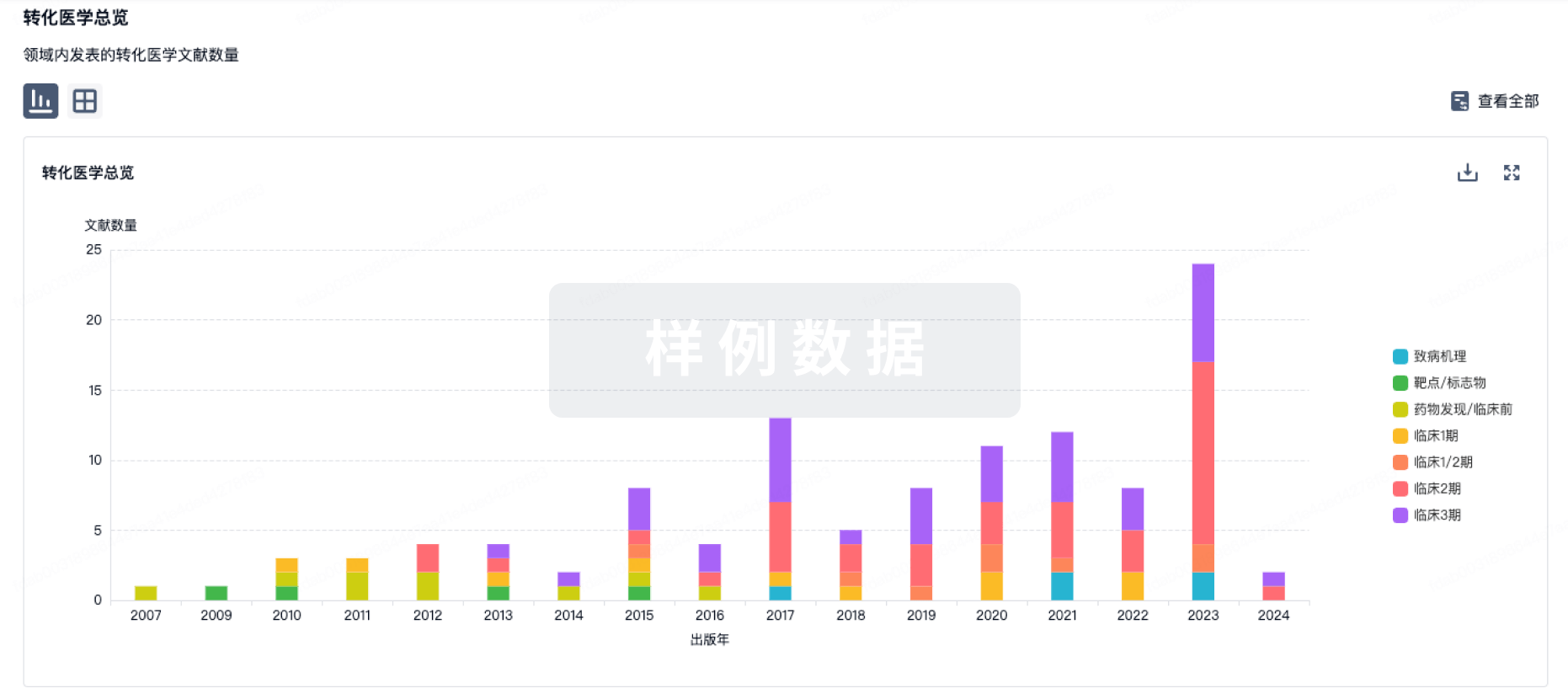
转化医学
使用我们的转化医学数据加速您的研究。
登录
或
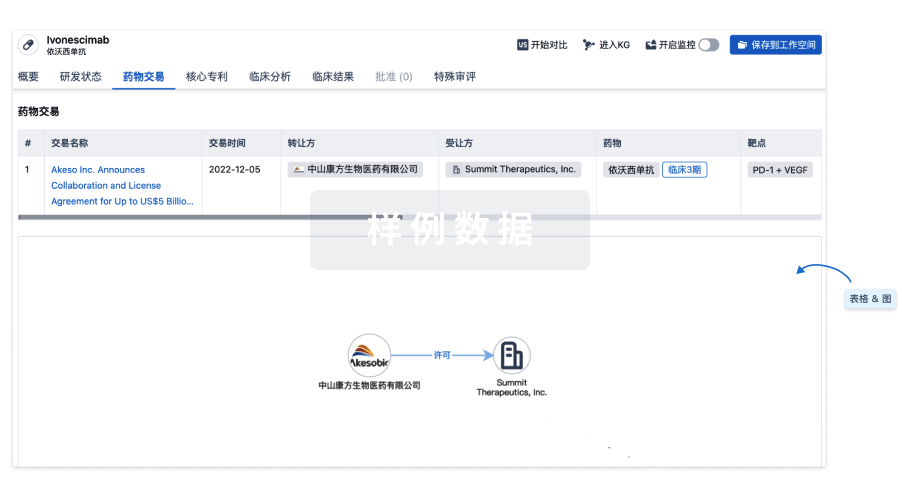
药物交易
使用我们的药物交易数据加速您的研究。
登录
或
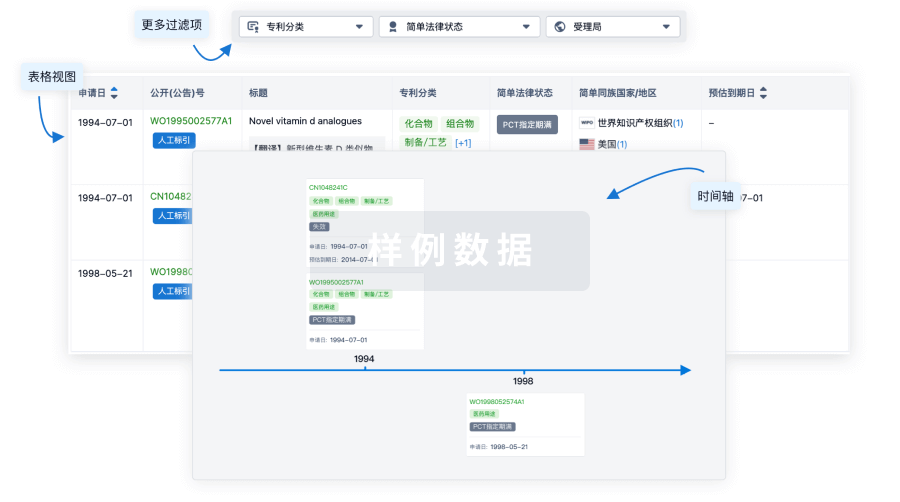
核心专利
使用我们的核心专利数据促进您的研究。
登录
或
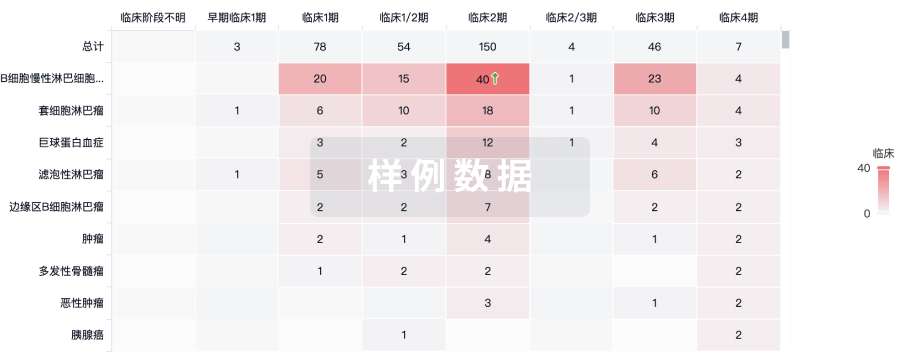
临床分析
紧跟全球注册中心的最新临床试验。
登录
或
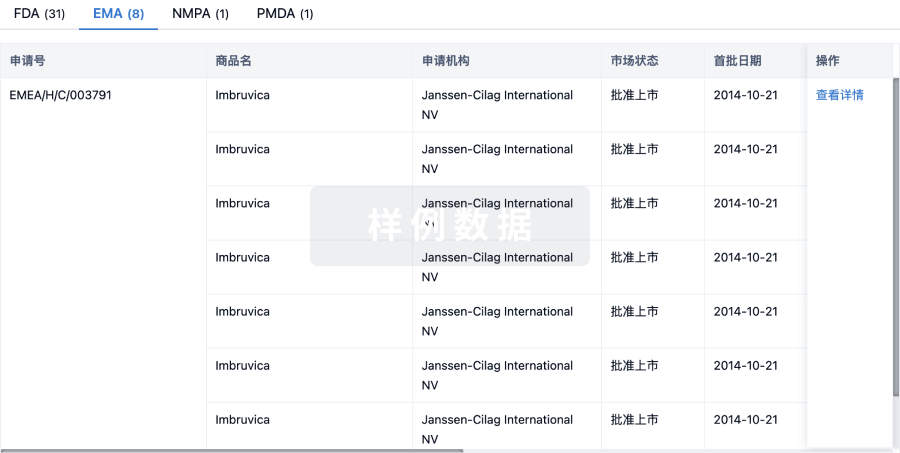
批准
利用最新的监管批准信息加速您的研究。
登录
或
特殊审评
只需点击几下即可了解关键药物信息。
登录
或
提出任何生物医药研究问题
让每一步生物医药决策都精准制胜
基于十亿级生物数据与全球情报的精准 AI,赋能早期药物发现
立即开始免费试用!
智慧芽新药情报库是智慧芽专为生命科学人士构建的基于AI的创新药情报平台,助您全方位提升您的研发与决策效率。
立即接入生物医药数据包
智慧芽新药库数据也通过智慧芽开放平台,以MCP或API服务形式对外开放。立即使用我们的MCP服务定制您的LLM智能体。
生物序列数据库
生物药研发创新
免费使用
化学结构数据库
小分子化药研发创新
免费使用