预约演示
更新于:2026-08-19

FIBREX Medical, Inc.
更新于:2026-08-19
概览
关联
NCT00326976
A Multicenter, Double Blind, Randomized, Placebo Controlled Study to Measure the Effect of FX06 (a Fibrin Derived Peptide Bbeta15-42) on Ischemia Reperfusion Injury in Patients Undergoing Primary Percutaneous Coronary Intervention (PCI): The "F.I.R.E." Study
100 项与 FIBREX Medical, Inc. 相关的临床结果
登录后查看更多信息
登录后查看更多信息
2007-12-01Critical care medicine1区 · 医学
Inducible nitric oxide synthase and heme oxygenase-1 in the lung during lipopolysaccharide tolerance and cross tolerance
1区 · 医学
作者: Alexander Koch ; Hauke Rensing ; Olaf Boehm ; Rene Schmidt ; Paula A. Zacharowski ; Simon J. Foster ; Kai Zacharowski ; Jörg Weimann ; Reinhard Berkels ; Stephan A. Loer ; Sonja Reingruber
Objective: Pretreatment with low-dose lipopolysaccharide protects cells/organs against a subsequent lethal Gram-neg. (lipopolysaccharide tolerance) or Gram-pos. (cross tolerance) stimulus.We determined whether this occurs in the rat lung.The involvement of inducible nitric oxide synthase and heme oxygenase-1 was evaluated.Design: Laboratory study.Setting: University hospital laboratorySubjects: Anesthetized male Wistar rats.Interventions: To test the hypothesis, rats received saline or lipopolysaccharide (1 mg/kg).At 2, 4, 8, 16, or 24 h later, blood samples and lung tissue were taken to determine mRNA, protein concentration, and activity of inducible nitric oxide synthase and heme oxygenase-1.In addnl. experiments, rats were challenged with lipopolysaccharide (1 mg/kg) and subjected to Gram-neg. (lipopolysaccharide) or Gram-pos. (lipoteichoic acid and peptidoglycan) shock 24 h later.These studies were carried out in the presence and absence of inducible nitric oxide synthase or heme oxygenase-1 inhibitors (1400W or tin protoporphyrin IX).Following 6 h of shock, lung tissue was taken to determine lung damage and heme oxygenase-1 concentration and activity.Measurements and Main Results: In the rat lung, lipopolysaccharide (1 mg/kg) induced a significant increase in inducible nitric oxide synthase protein at 8 h with a corresponding increase in plasma nitrate/nitrite at 8-16 h.Simultaneously, heme oxygenase-1 mRNA transcripts were observed at 8-16 h, and maximal expression of the protein followed (24 h).Pretreatment with low-dose lipopolysaccharide reduced myeloperoxidase activity (neutrophil infiltration) and wet-dry ratio (pulmonary edema) in the lungs of animals subjected to Gram-neg. or Gram-pos. shock, demonstrating tolerance.Pretreatment with low-dose lipopolysaccharide and the selective inducible nitric oxide synthase inhibitor 1400W reduced heme oxygenase-1 protein expression, and lung protection was abolished.Tin protoporphyrin IX did not affect heme oxygenase-1 expression, but heme oxygenase activity and lung protection were significantly reduced.Conclusions: We propose that nitric oxide (most likely inducible nitric oxide synthase derived) regulates the induction of heme oxygenase-1 in the lung, which in turn plays an important part in pulmonary protection during lipopolysaccharide tolerance and cross tolerance.
DRUGS OF THE FUTURE
FX06 (fibrin-derived peptide Bbeta15-42) - A potential candidate for
myocardial reperfusion therapy
作者: Henning, Rainer ; Zacharowski, Kai ; Petzelbauer, Peter
A review.FX06 (fibrin derived peptide Bβ15-42) is a promising new drug candidate indicated for the prevention of reperfusion injury in patients undergoing primary percutaneous intervention (PCI) for acute myocardial infarction (AMI).This novel peptide has been shown to prevent myocardial reperfusion injury in a number of acute and chronic animal models for this disease when given as a single bolus injection at the time of reperfusion.FX06 has a novel mechanism of action: it is a competitive inhibitor of the binding of fibrin E1 fragments to vascular endothelial (VE)-cadherin.Through this inhibition, it potently blocks the transmigration of inflammatory leukocytes through the endothelial barrier and prevents the downstream release of tissue-damaging mediators.FX06 has proven safe in acute and subchronic toxicol. studies and recently entered clin. development.
100 项与 FIBREX Medical, Inc. 相关的药物交易
登录后查看更多信息
100 项与 FIBREX Medical, Inc. 相关的转化医学
登录后查看更多信息
组织架构
使用我们的机构树数据加速您的研究。
登录
或
管线布局
2026年09月02日管线快照
管线布局中药物为当前组织机构及其子机构作为药物机构进行统计,早期临床1期并入临床1期,临床1/2期并入临床2期,临床2/3期并入临床3期
其他
1
登录后查看更多信息
当前项目
登录后查看更多信息
药物交易
使用我们的药物交易数据加速您的研究。
登录
或
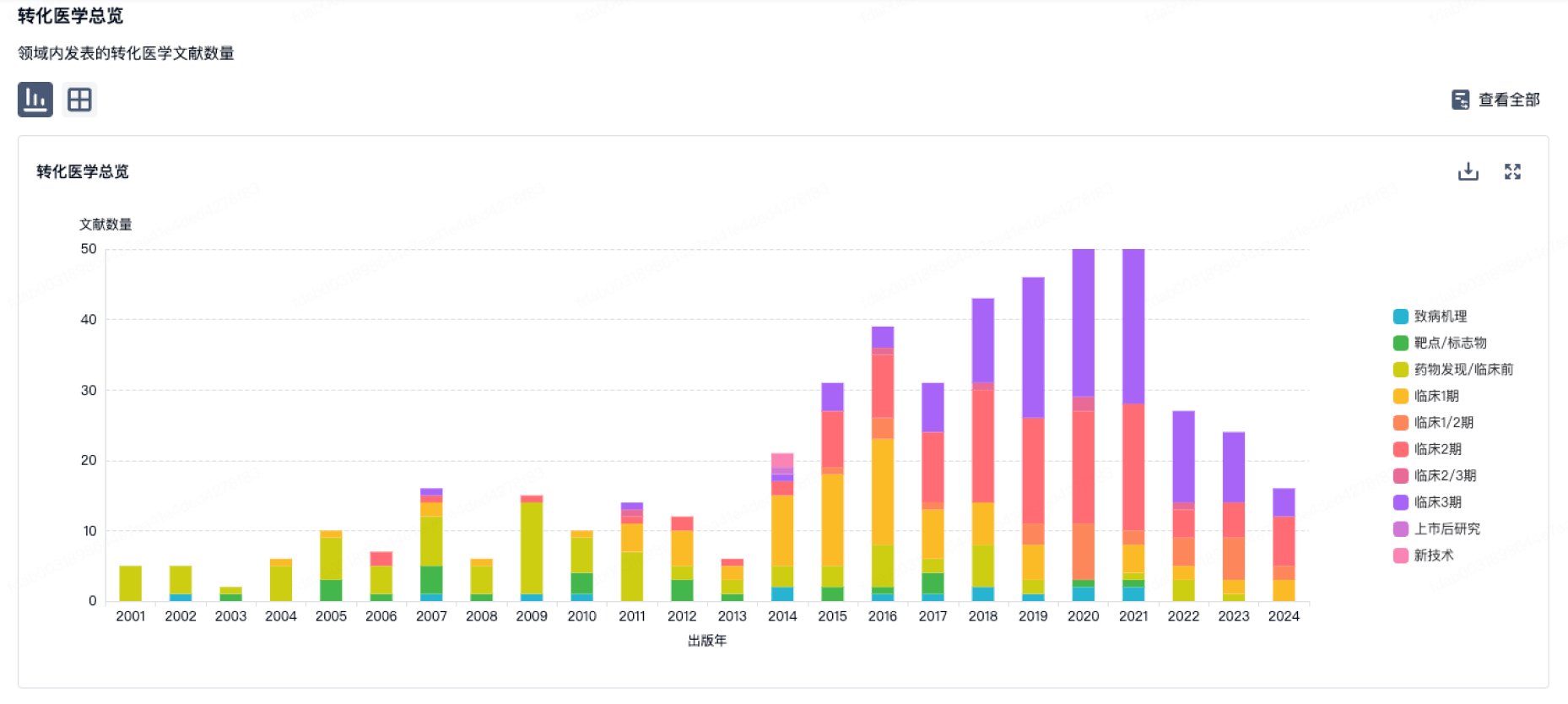
转化医学
使用我们的转化医学数据加速您的研究。
登录
或
营收
使用 Synapse 探索超过 36 万个组织的财务状况。
登录
或
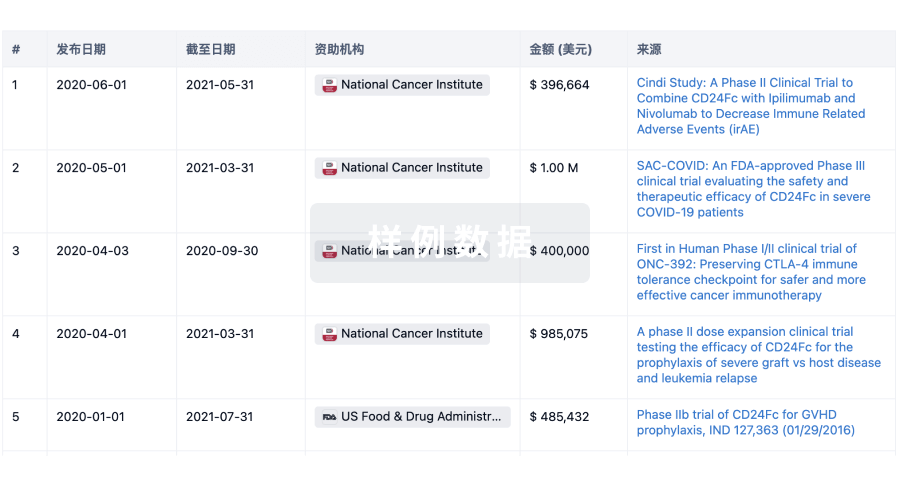
科研基金(NIH)
访问超过 200 万项资助和基金信息,以提升您的研究之旅。
登录
或
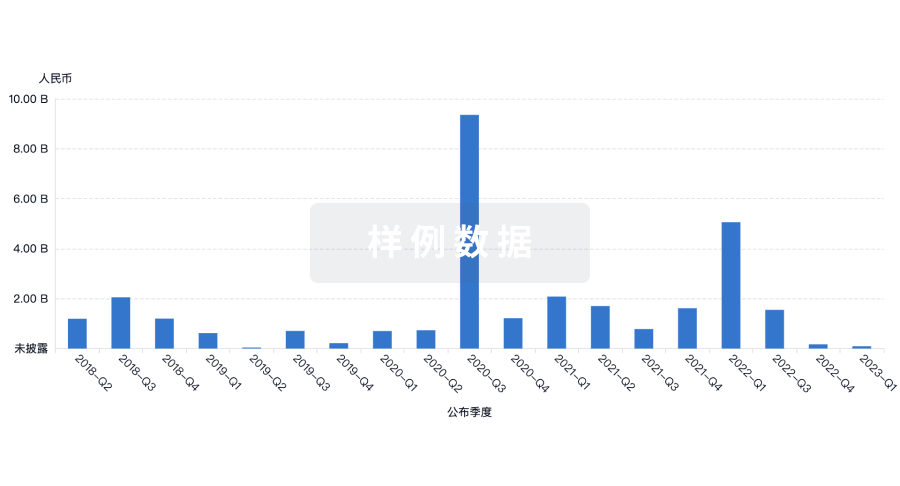
投资
深入了解从初创企业到成熟企业的最新公司投资动态。
登录
或
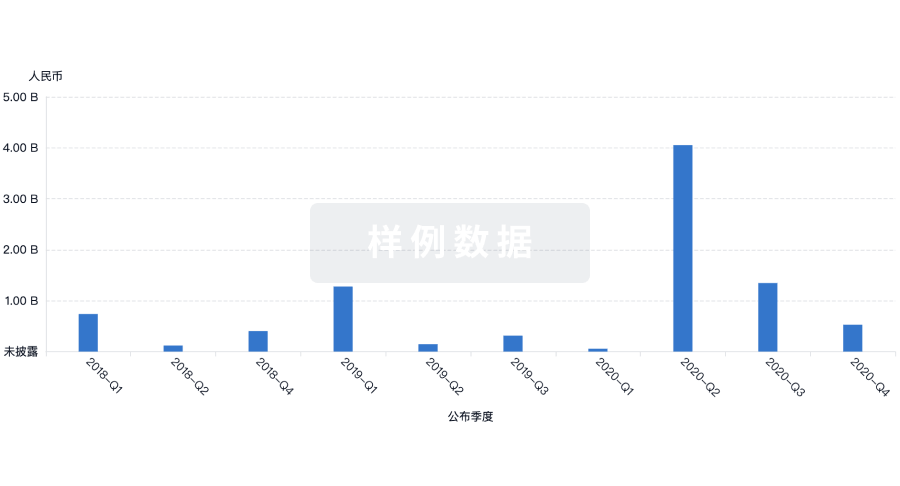
融资
发掘融资趋势以验证和推进您的投资机会。
登录
或
提出任何生物医药研究问题
让每一步生物医药决策都精准制胜
基于十亿级生物数据与全球情报的精准 AI,赋能早期药物发现
立即开始免费试用!
智慧芽新药情报库是智慧芽专为生命科学人士构建的基于AI的创新药情报平台,助您全方位提升您的研发与决策效率。
立即接入生物医药数据包
智慧芽新药库数据也通过智慧芽开放平台,以MCP或API服务形式对外开放。立即使用我们的MCP服务定制您的LLM智能体。
生物序列数据库
生物药研发创新
免费使用
化学结构数据库
小分子化药研发创新
免费使用