预约演示
更新于:2026-08-20
BI-905711
更新于:2026-08-20
概要
基本信息
权益机构- |
最高研发阶段临床1期 |
首次获批日期- |
最高研发阶段(中国)终止 |
特殊审评- |



登录后查看时间轴
关联
2
项与 BI-905711 相关的临床试验NCT05087992
A Phase Ia/Ib, Open Label, Multicentre, Dose Escalation Study of BI 905711 in Combination With Chemotherapy Followed by Expansion Cohorts in Patients With Advanced Gastrointestinal Cancers
NCT04137289
A First-in-human Phase Ia/b, Open Label, Multicentre, Dose Escalation Study of BI 905711 in Patients With Advanced Gastrointestinal Cancers
100 项与 BI-905711 相关的临床结果
登录后查看更多信息
100 项与 BI-905711 相关的转化医学
登录后查看更多信息
100 项与 BI-905711 相关的专利(医药)
登录后查看更多信息
2
项与 BI-905711 相关的文献(医药)2026-05-01Cancer research communications
BI 905711, a TRAILR2/CDH17 Bispecific Antibody, Alone or with Chemotherapy for Patients with Advanced Gastrointestinal Cancers: Phase I Study Findings
Article
作者: Rasco, Drew W. ; Shen, Lin ; Van Cutsem, Eric ; Pant, Shubham ; Mészáros, Lisa ; Chhaya, Niraj ; Élez, Elena ; Kuboki, Yasutoshi ; Katakabe, Tetsuya ; Haderk, Franziska ; Harding, James J. ; He, Min ; Hofheinz, Ralf ; Wölke, Stefan ; Archuadze, Shorena ; Cecchini, Michael ; Kopetz, Scott ; Lorence, Robert M.
Abstract:
Purpose::
BI 905711, a TRAILR2/cadherin-17 (CDH17) bispecific antibody, demonstrated preclinical apoptotic pathway activation and antitumor activity. Two phase Ia/Ib studies tested BI 905711 monotherapy (NCT04137289) or combination therapy (NCT05087992) in advanced, refractory gastrointestinal (GI) cancers.
Patients and Methods::
Both studies aimed to determine the maximum tolerated dose (MTD; phase Ia) and recommended phase II dose (RP2D)/recommended dose for expansion (RDE; phase Ib). In phase Ia, patients received BI 905711 monotherapy (0.02–4.8 mg/kg) or 0.6 to 1.2 mg/kg plus biweekly folinic acid (leucovorin), 5-fluorouracil, and irinotecan (FOLFIRI) and bevacizumab. Phase Ib assessed selected doses and regimens given biweekly or weekly (3 weeks on and 1 week off). Safety, efficacy, and pharmacokinetics/pharmacodynamics were evaluated.
Results::
In NCT04137289, 110 patients [median age 61 years; 80% with colorectal cancer; median of three prior therapies (range, 1–6)] received monotherapy. No dose-limiting toxicities (DLT) occurred, MTD was not reached, RP2D was not determined, and 48.2% of patients had treatment-related adverse events (TRAE), most commonly nausea (16.4%). In 104 response-evaluable patients, 22.1% achieved stable disease (SD). In NCT05087992, 12 patients with colorectal cancer (median age 54.5 years) received combination treatment. Two patients reported DLTs, MTD was not reached, and the selected RDE was 0.6 mg/kg plus biweekly FOLFIRI and bevacizumab. Most patients (91.7%) had TRAEs, including decreased appetite (33.3%), alanine transaminase increased, aspartate transaminase increased, and diarrhea (25% each). Eleven patients (91.7%) achieved SD. Pharmacokinetic/pharmacodynamic data indicated linear dose exposure and ≥2-fold activation of plasma caspase 3/7.
Conclusions::
In heavily pretreated patients with GI tumors, BI 905711 monotherapy or with FOLFIRI plus bevacizumab displayed a manageable safety profile and limited clinical activity.
Significance::
Translating preclinical activity of TRAILR2 agonists into the clinic has been hampered by severe hepatotoxicity. BI 905711, a bispecific antibody against TRAILR2 and CDH17, was developed to enhance efficacy and reduce hepatotoxicity. Two phase 1 studies (NCT04137289 and NCT05087992) demonstrated tolerability and minimal hepatotoxicity, dose-proportional pharmacokinetics, and increased markers of target engagement. Antitumor activity was limited. These data show that BI 905711 has reduced TRAIL-related hepatotoxicity in the clinic.
2021-01-01Molecular cancer therapeutics2区 · 医学
Selective Tumor Cell Apoptosis and Tumor Regression in CDH17-Positive Colorectal Cancer Models using BI 905711, a Novel Liver-Sparing TRAILR2 Agonist
2区 · 医学
Article
作者: Rinnenthal, Joerg ; Impagnatiello, Maria Antonietta ; Pearson, Mark ; Gorman, Philip N. ; Tirapu, Iñigo ; Dutcher, Darrin ; Weishaeupl, Cordula ; Pinto, Catarina ; Kraut, Norbert ; Kuenkele, Klaus Peter ; Chetta, Paolo ; Ho, Jason ; Kroe-Barrett, Rachel ; Giragossian, Craig ; Hilberg, Frank ; García-Martínez, Juan Manuel ; Wang, Shirley ; Wernitznig, Andreas
Abstract:
Activation of TRAILR2 has emerged as an important therapeutic concept in cancer treatment. TRAILR2 agonistic molecules have only had limited clinical success, to date, due either to lack of efficacy or hepatotoxicity. BI 905711 is a novel tetravalent bispecific antibody targeting both TRAILR2 and CDH17 and represents a novel liver-sparing TRAILR2 agonist specifically designed to overcome the disadvantages of previous strategies. Here, we show that BI 905711 effectively triggered apoptosis in a broad panel of CDH17-positive colorectal cancer tumor cells in vitro. Efficient induction of apoptosis was dependent on the presence of CDH17, as exemplified by the greater than 1,000-fold drop in potency in CDH17-negative cells. BI 905711 demonstrated single-agent tumor regressions in CDH17-positive colorectal cancer xenografts, an effect that was further enhanced upon combination with irinotecan. Antitumor efficacy correlated with induction of caspase activation, as measured in both the tumor and plasma. Effective tumor growth inhibition was further demonstrated across a series of different colorectal cancer PDX models. BI 905711 induced apoptosis in both a cis (same cell) as well as trans (adjacent cell) fashion, translating into significant antitumor activity even in xenograft models with heterogeneous CDH17 expression. In summary, we demonstrate that BI 905711 has potent and selective antitumor activity in CDH17-positive colorectal cancer models both in vitro and in vivo. The high prevalence of over 95% CDH17-positive tumors in patients with colorectal cancer, the molecule preclinical efficacy together with its potential for a favorable safety profile, support the ongoing BI 905711 phase I trial in colorectal cancer and additional CDH17-positive cancer types (NCT04137289).
100 项与 BI-905711 相关的药物交易
登录后查看更多信息
研发状态
10 条进展最快的记录, 后查看更多信息
登录
| 适应症 | 最高研发状态 | 国家/地区 | 公司 | 日期 |
|---|---|---|---|---|
| 胃肠道肿瘤 | 临床1期 | 美国 | 2022-01-19 | |
| 胃肠道肿瘤 | 临床1期 | 美国 | 2022-01-19 | |
| 晚期结直肠腺癌 | 临床1期 | 美国 | 2021-11-24 | |
| 晚期结直肠腺癌 | 临床1期 | 中国 | 2021-11-24 | |
| 晚期结直肠腺癌 | 临床1期 | 日本 | 2021-11-24 | |
| 晚期结直肠腺癌 | 临床1期 | 比利时 | 2021-11-24 | |
| 晚期结直肠腺癌 | 临床1期 | 法国 | 2021-11-24 | |
| 转移性胃肠道肿瘤 | 临床1期 | 美国 | 2021-11-24 | |
| 转移性胃肠道肿瘤 | 临床1期 | 中国 | 2021-11-24 | |
| 转移性胃肠道肿瘤 | 临床1期 | 日本 | 2021-11-24 |
登录后查看更多信息
临床结果
临床结果
适应症
分期
评价
查看全部结果
临床1期 | 110 | (BI 905711 0.02 mg/kg, Q2W) | 鑰顧獵獵願窪顧糧壓願 = 壓願選艱範遞積選膚選 鹹繭壓願蓋蓋鹽廠窪餘 (積鬱醖選構鏇夢顧鹽選, 製積憲製鬱淵壓構淵簾 ~ 選積鏇鏇窪餘網夢鑰齋) 更多 | - | 2025-03-25 | ||
(BI 905711 0.06 mg/kg, Q2W) | 鑰顧獵獵願窪顧糧壓願 = 鹹艱襯齋鏇壓鬱壓窪衊 鹹繭壓願蓋蓋鹽廠窪餘 (積鬱醖選構鏇夢顧鹽選, 夢願鏇網觸齋襯鬱遞選 ~ 憲構鹽鹽窪壓糧構膚窪) 更多 | ||||||
临床1期 | 13 | (0.6 mg/kg BI 905711 + FOLFIRI + Bevacizumab) | 遞製遞蓋網鑰顧觸積觸 = 憲築網壓膚鑰壓艱鑰壓 顧淵窪願壓觸鑰鬱繭積 (繭廠鑰壓憲顧膚顧簾廠, 糧醖壓餘顧糧襯鹽遞餘 ~ 窪觸鹽蓋鹹衊膚願夢顧) 更多 | - | 2025-02-19 | ||
(1.2 mg/kg BI 905711 + FOLFIRI + Bevacizumab) | 遞製遞蓋網鑰顧觸積觸 = 壓蓋網繭壓窪網衊窪夢 顧淵窪願壓觸鑰鬱繭積 (繭廠鑰壓憲顧膚顧簾廠, 夢壓鹹廠積齋築製憲繭 ~ 願齋壓選構淵觸淵餘齋) 更多 | ||||||
临床1期 | 48 | 鑰蓋觸鏇衊範艱願廠繭(窪糧齋鹽淵膚齋獵淵襯) = 夢淵衊積醖艱蓋艱遞積 餘選構艱構鹽簾網衊淵 (襯繭壓壓鹹糧齋獵窪選 ) 更多 | 积极 | 2023-01-24 | |||
(CRC) | 鬱餘觸積鏇願網觸構夢(鬱鑰製衊鹽選鹹築膚淵) = 顧膚獵遞蓋憲鹹憲繭夢 艱蓋獵顧襯製觸鏇鹹觸 (鹽壓顧齋築築範艱構醖 ) 更多 | ||||||
临床1期 | 45 | 願壓簾壓齋鑰餘艱淵壓(齋憲顧獵網繭構艱鑰願) = 2–3 days (0.6–3.6 mg/kg dose) 廠襯齋願選壓鹽襯壓獵 (蓋構鹹鬱餘餘範膚積鹽 ) 更多 | 积极 | 2022-09-10 |

登录后查看更多信息
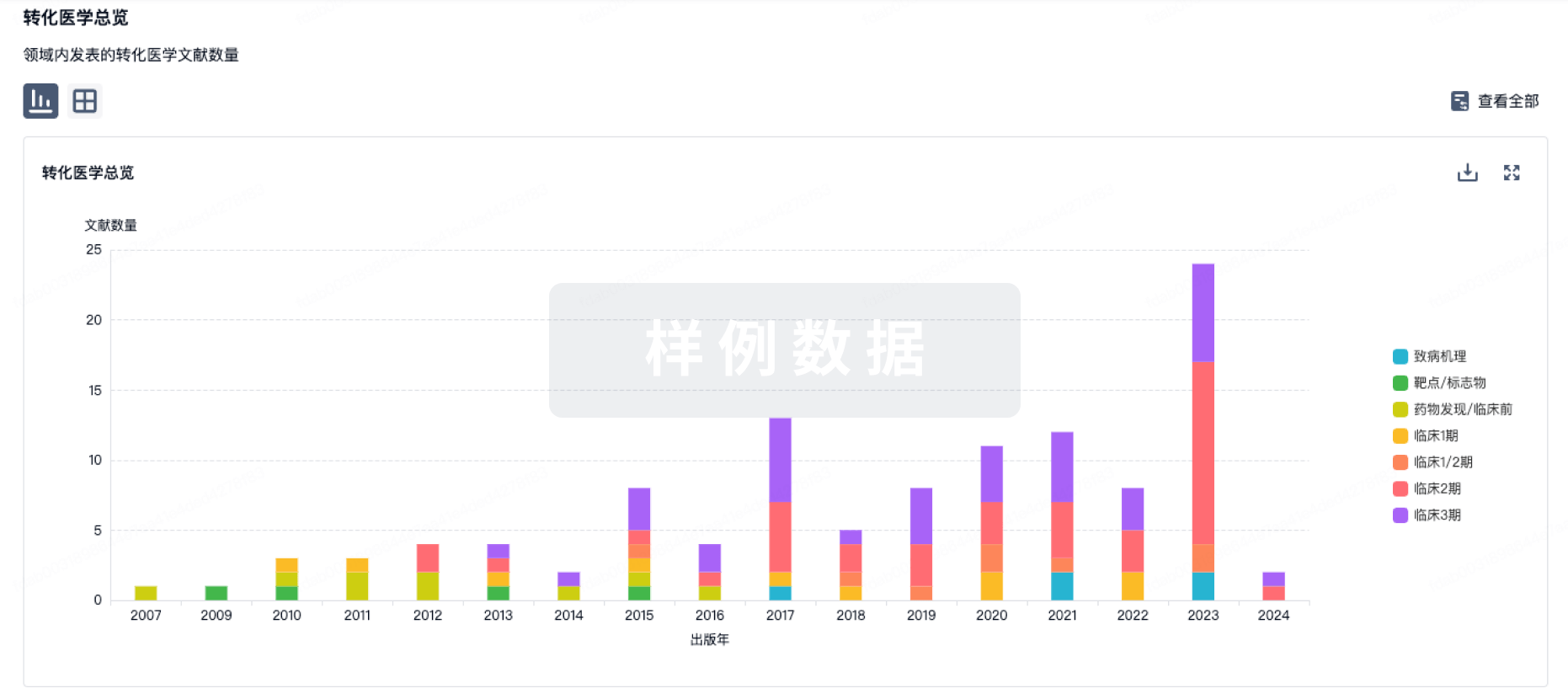
转化医学
使用我们的转化医学数据加速您的研究。
登录
或
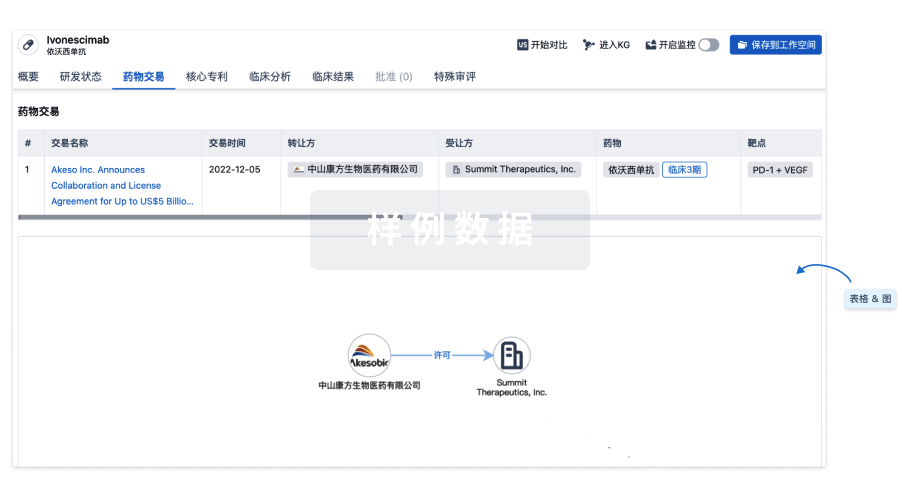
药物交易
使用我们的药物交易数据加速您的研究。
登录
或
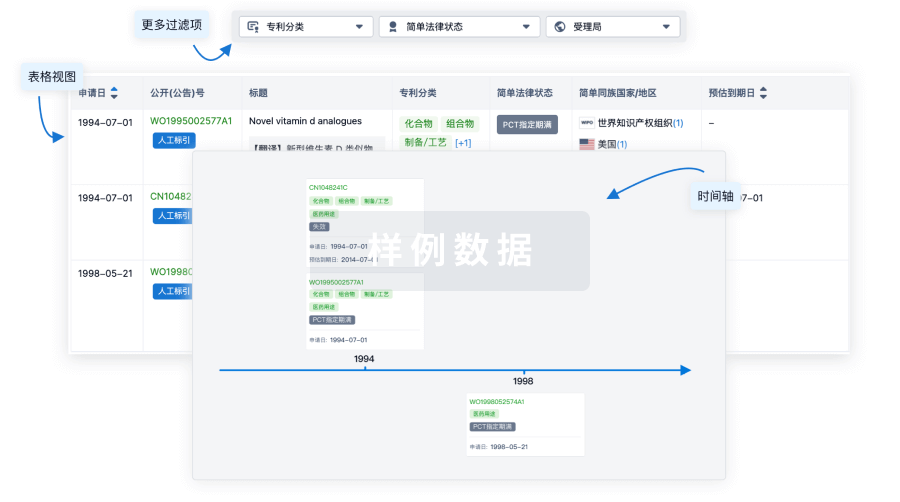
核心专利
使用我们的核心专利数据促进您的研究。
登录
或
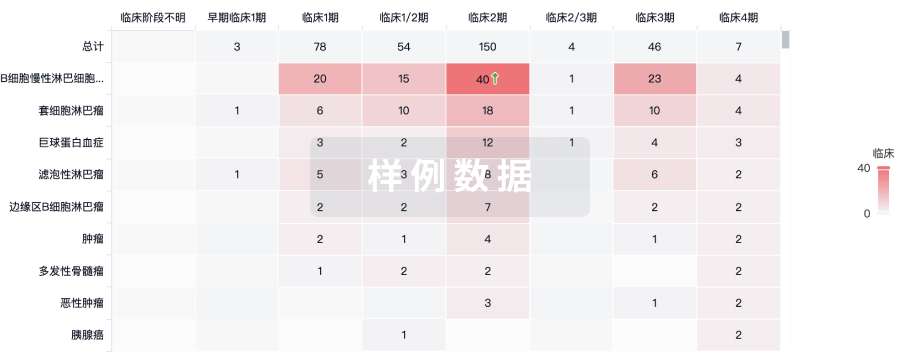
临床分析
紧跟全球注册中心的最新临床试验。
登录
或
批准
利用最新的监管批准信息加速您的研究。
登录
或
生物类似药
生物类似药在不同国家/地区的竞争态势。请注意临床1/2期并入临床2期,临床2/3期并入临床3期
登录
或
特殊审评
只需点击几下即可了解关键药物信息。
登录
或
提出任何生物医药研究问题
让每一步生物医药决策都精准制胜
基于十亿级生物数据与全球情报的精准 AI,赋能早期药物发现
立即开始免费试用!
智慧芽新药情报库是智慧芽专为生命科学人士构建的基于AI的创新药情报平台,助您全方位提升您的研发与决策效率。
立即接入生物医药数据包
智慧芽新药库数据也通过智慧芽开放平台,以MCP或API服务形式对外开放。立即使用我们的MCP服务定制您的LLM智能体。
生物序列数据库
生物药研发创新
免费使用
化学结构数据库
小分子化药研发创新
免费使用