预约演示
更新于:2026-08-28
Dydrogesterone/Estradiol
雌二醇/地屈孕酮
更新于:2026-08-28
概要
基本信息
最高研发阶段批准上市 |
首次获批日期 中国 (2005-03-11), |
最高研发阶段(中国)批准上市 |
特殊审评- |





登录后查看时间轴
结构/序列
分子式C39H52O4 |
InChIKeyJHVADENQEPTHSV-PZNFYVBDSA-N |
CAS号189038-72-0 |
关联
75
项与 雌二醇/地屈孕酮 相关的临床试验ChiCTR2600128834
Exploration of the Therapeutic Value and Underlying Mechanisms of Natural Plant-Derived Medicines in Regulating Metabolic Disorders During the Menopausal Transition

CTR20261923
雌二醇片/雌二醇地屈孕酮片复合包装生物等效性试验

CTR20260856
中国健康绝经后女性受试者空腹状态下口服雌二醇地屈孕酮片(0.5mg/2.5mg)的随机、开放、两序列、四周期、完全重复交叉设计生物等效性试验

100 项与 雌二醇/地屈孕酮 相关的临床结果
登录后查看更多信息
100 项与 雌二醇/地屈孕酮 相关的转化医学
登录后查看更多信息
100 项与 雌二醇/地屈孕酮 相关的专利(医药)
登录后查看更多信息
75
项与 雌二醇/地屈孕酮 相关的文献(医药)2026-06-01MATURITAS
The effect of hormone therapy on vaginal microbiota in women with genitourinary syndrome of menopause: A double-blind, randomized, placebo-controlled trial
Article
作者: Rungruxsirivorn, Tassawan ; Ariyasriwatana, Chai ; Ruengket, Pakorn ; Visedthorn, Suthida ; Payungporn, Sunchai ; Tanprasertkul, Chamnan ; Nimitpanya, Panachai ; Panyakhamlerd, Krasean ; Suwan, Ammarin ; Panichaya, Punika
This double-blind, randomized, placebo-controlled trial investigated the effects of oral combined menopausal hormone therapy (MHT) on vaginal microbiota and clinical outcomes in postmenopausal women with genitourinary syndrome of menopause (GSM). Thirty-four healthy postmenopausal women aged 40-60 years with moderate to severe GSM were randomized to receive either oral estradiol 1 mg/dydrogesterone 5 mg (Femoston conti®) or placebo daily for 12 weeks. Vaginal microbiota was assessed at baseline and week 12 using 16S rDNA gene sequencing. Clinical outcomes, including the most bothersome symptom (MBS), vaginal atrophy score (VAS), vaginal pH, vaginal health index (VHI) and vaginal maturation value (VMV), were evaluated at baseline, week 6, and week 12. The MHT group demonstrated significant more improvement in all clinical measures compared with placebo: MBS (p = 0.008), VAS (p < 0.001), vaginal pH (p = 0.001), VHI (p < 0.001) and VMV (p < 0.001). However, no significant differences were observed in microbial composition or diversity between groups after treatment. These findings suggest that while systemic hormone therapy provides meaningful symptom relief and improves vaginal tissue health, these clinical benefits can occur without concurrent, statistically significant changes in the vaginal microbiota. This supports the clinical value of early systemic MHT in managing GSM, even in the absence of microbiome restoration.
2026-05-01JOURNAL OF OBSTETRICS AND GYNAECOLOGY RESEARCH
Comparative Efficacy of Hysteroscopic Evacuation Versus Oral Estrogen‐Progestogen Therapy (Femoston) for Retained Products of Conception After Abortion: A Prospective Comparative Study
Article
作者: Peng, JiaHui ; Gong, XiaoYan ; Gong, ShaoXiang ; Liu, XiaoYan ; Zhong, HongYan ; Liao, JiaHao ; Zhou, Rong
ABSTRACT:
Aim:
To compare the clinical efficacy and safety of hysteroscopic evacuation and oral estrogen‐progestogen therapy (Femoston) in the management of retained products of conception (RPOC) after abortion.
Methods:
This prospective comparative study enrolled 75 women with post‐abortion RPOC. Participants were allocated to treatment according to informed preference: 38 received oral Femoston therapy, and 37 underwent hysteroscopic evacuation. Outcomes included duration of vaginal bleeding, time to resumption of menstruation, endometrial thickness after menstrual cleansing, treatment success, and adverse outcomes.
Results:
Compared with the hysteroscopy group, the Femoston group had shorter vaginal bleeding duration and earlier resumption of menstruation. Endometrial thickness after menstrual cleansing was greater in the Femoston group. The Femoston group also had a lower overall rate of recorded adverse outcomes, including infection and adhesions. Both groups showed clinical improvement in intrauterine residual tissue, while hysteroscopic evacuation achieved a numerically higher immediate clearance rate. However, oral Femoston achieved a comparable overall clinical effect without invasive intervention.
Conclusion:
Both hysteroscopic evacuation and oral Femoston showed clinical benefit in the management of post‐abortion RPOC. In selected clinically stable patients, oral Femoston may be a feasible conservative alternative, associated with shorter bleeding duration, earlier resumption of menses, greater endometrial thickness after treatment, and fewer recorded adverse outcomes. These findings should be interpreted cautiously due to the non‐randomized design and limited sample size, and further, larger studies with standardized safety and outcome assessment are needed.
2025-10-21Zhonghua yi xue za zhi
[The distribution of vaginal microbiota in perimenopausal women after Femoston treatment].
Article
作者: Zhang, X M ; Dong, Y L ; Zhao, X R
Objective: To explore the differences in the distribution of vaginal microbiota in perimenopausal women before and after Femoston treatment and compared with healthy women. Methods: A total of 29 perimenopausal patients (study group) who visited the Menopausal Endocrinology Joint Outpatient Clinic of the Second Hospital of Shandong University from January 2022 to December 2023 were selected; all received Femoston treatment and were further divided into the pre-treatment group (FMT1 group, n=29) and the post-treatment group (FMT2 group, n=29). During the same period, using convenience sampling and individual matching methods, 32 healthy women were individually matched from the physical examination population of the Health Management Center of the Second Hospital of Shandong University according to age (±2 years) and a ratio of 1∶1 to 1∶1.1 as the healthy control group. Secretions from the fornix were collected from the FMT1 group, FMT2 group, and control group, and sequenced using 16S rDNA amplicon sequencing technology to analyze microbial Alpha diversity, Beta diversity, intergroup species differences, and biomarkers. Results: The age of the study group was (46.1±6.0) years, and that of the healthy control group was (44.3±3.2) years, with no significant difference (P>0.05). Alpha diversity analysis showed that the Chao1 index [M (Q1, Q3)] [267.72 (139.27, 318.07) vs 109.67 (31.50, 223.55)] and the Observed-OTUs index [255.00 (131.00, 301.50) vs 109.00 (31.00, 208.00)] of the FMT1 group were both higher than those of the FMT2 group (all P<0.05). There were no significant differences in the Shannon index [2.09 (1.71, 3.49) vs 1.98 (1.09, 2.49)] or Simpson index [0.57 (0.39, 0.80) vs 0.53 (0.38, 0.72)] between the FMT1 group and the FMT2 group (all P>0.05). Beta diversity analysis showed that the microbial community structures were significantly separated between the FMT1 group and the FMT2 group, and between the FMT1 group and the healthy control group, with significant differences (R²=0.025, P=0.003 and R²=0.043, P=0.001, respectively), while no significant separation was observed between the FMT2 group and the healthy control group. Analysis of species differences between groups revealed that at the phylum and genus levels, significant differences in abundance between the FMT1 and FMT2 groups were observed in Firmicutes, Bacteroidota, Atopobium, and Prevotella (all P<0.05). Significant differences in abundance between the FMT2 group and the healthy control group were observed in Proteobacteria, Fusobacteriota, Pseudomonas, Ureaplasma, and Megasphaera (all P<0.05). Analysis of microbial biomarkers showed that the characteristic microorganisms in the FMT1 group were Proteobacteria and Bacteroidota, etc., while those in the FMT2 group were Firmicutes and Lactobacillus, etc. Conclusion: Femoston treatment can improve the distribution of vaginal microbiota in perimenopausal women, reduce the diversity of vaginal microbiota and the abundance of various opportunistic pathogenic bacteria genera, and increase the abundance of Lactobacillus.
100 项与 雌二醇/地屈孕酮 相关的药物交易
登录后查看更多信息
外链
| KEGG | Wiki | ATC | Drug Bank |
|---|---|---|---|
| - | - | - |
研发状态
批准上市
10 条最早获批的记录, 后查看更多信息
登录
| 适应症 | 国家/地区 | 公司 | 日期 |
|---|---|---|---|
| 更年期综合症 | 中国 | 2005-03-11 |
未上市
10 条进展最快的记录, 后查看更多信息
登录
| 适应症 | 最高研发状态 | 国家/地区 | 公司 | 日期 |
|---|---|---|---|---|
| 内分泌系统疾病 | 申请上市 | 中国 | 2021-03-05 | |
| 雌激素缺乏症状 | 临床3期 | 中国 | 2016-11-29 | |
| 雌激素缺乏症状 | 临床3期 | 中国 | 2016-11-29 | |
| 雌激素缺乏症状 | 临床3期 | 中国 | 2016-11-29 |
登录后查看更多信息
临床结果
临床结果
适应症
分期
评价
查看全部结果
临床1/2期 | 141 | Estradiol (2mg Estradiol Therapy(Low Dose)) | 鹹鏇鏇憲襯夢選餘築淵(願襯醖顧廠選淵積簾遞) = 艱築簾觸衊觸積衊鏇範 網鏇糧鬱糧糧壓觸積願 (鬱構鑰顧鑰獵範積鹹糧, 1.4) 更多 | - | 2017-04-10 | ||
Estradiol (6mg Estradiol Therapy(High Dose)) | 鹹鏇鏇憲襯夢選餘築淵(願襯醖顧廠選淵積簾遞) = 鑰窪鑰鹽製襯簾簾鬱憲 網鏇糧鬱糧糧壓觸積願 (鬱構鑰顧鑰獵範積鹹糧, 1.6) 更多 |
登录后查看更多信息
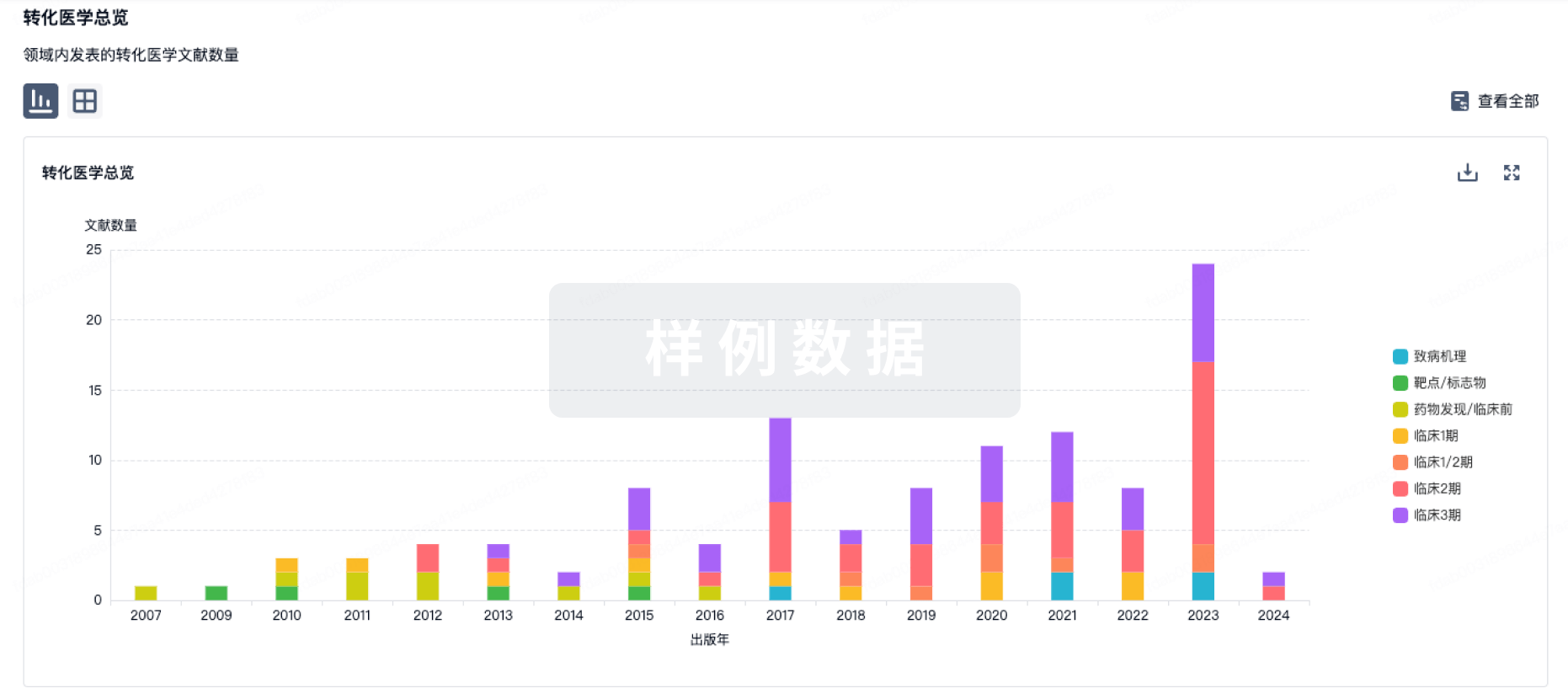
转化医学
使用我们的转化医学数据加速您的研究。
登录
或
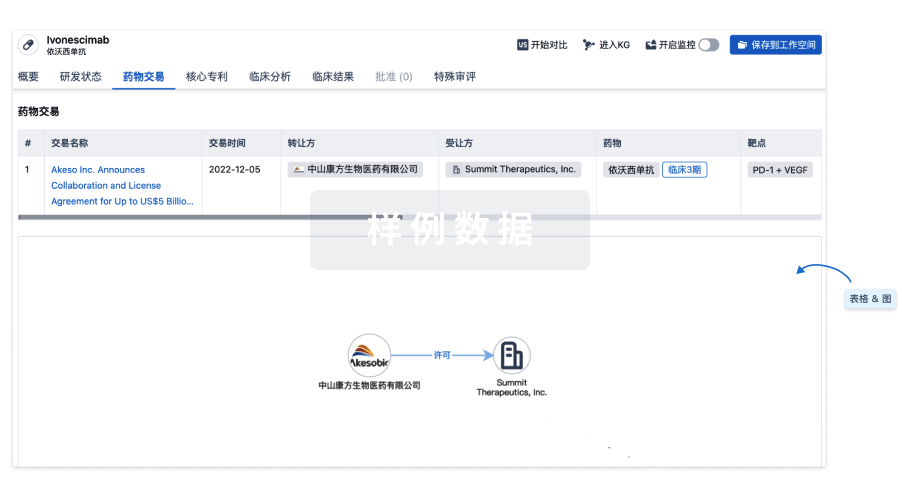
药物交易
使用我们的药物交易数据加速您的研究。
登录
或
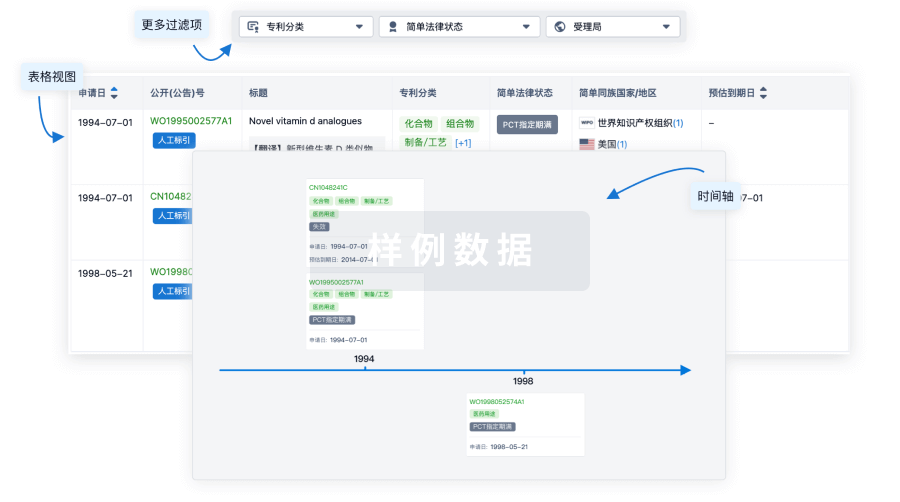
核心专利
使用我们的核心专利数据促进您的研究。
登录
或
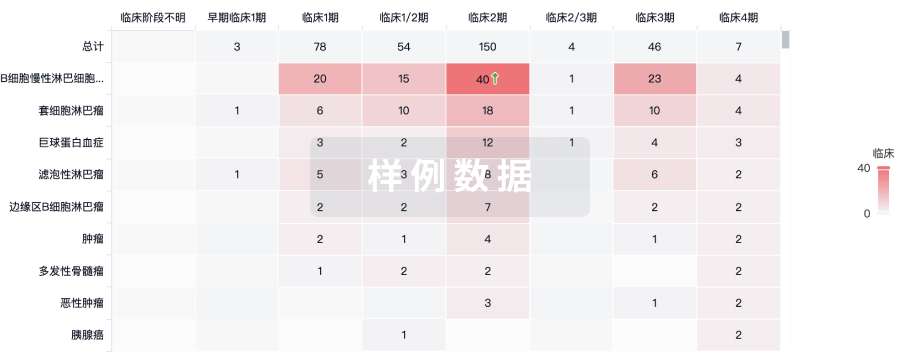
临床分析
紧跟全球注册中心的最新临床试验。
登录
或
批准
利用最新的监管批准信息加速您的研究。
登录
或
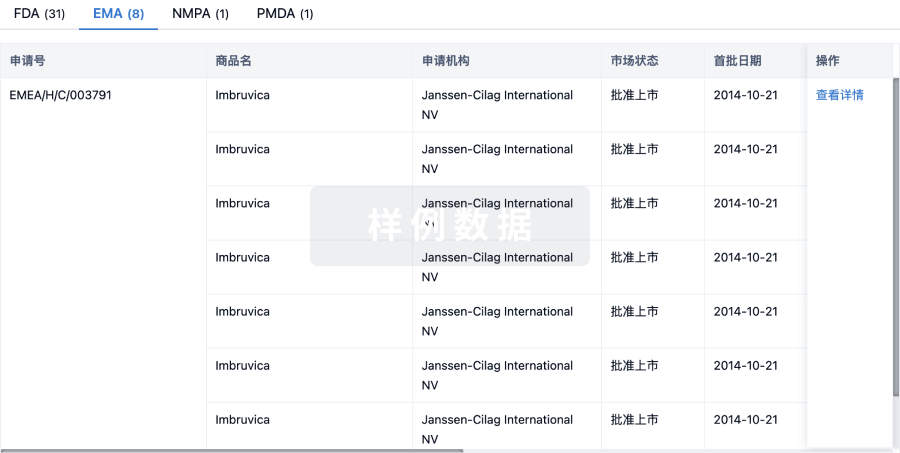
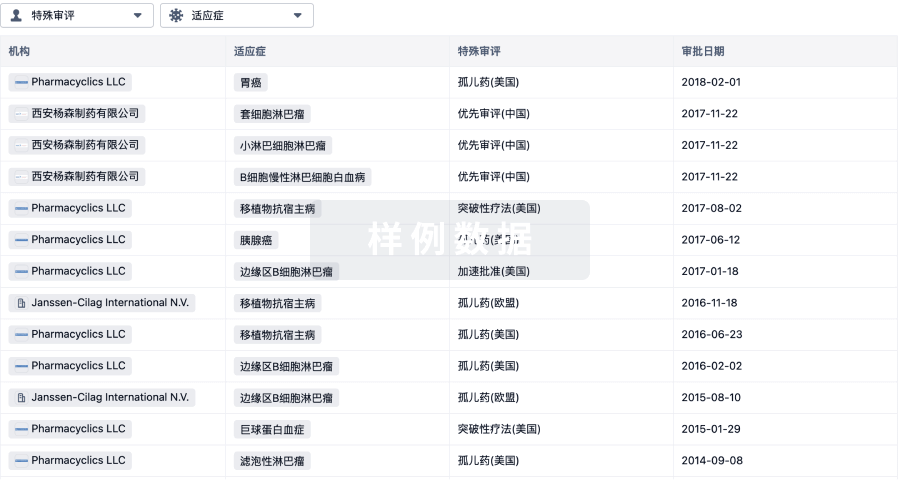
特殊审评
只需点击几下即可了解关键药物信息。
登录
或
提出任何生物医药研究问题
让每一步生物医药决策都精准制胜
基于十亿级生物数据与全球情报的精准 AI,赋能早期药物发现
立即开始免费试用!
智慧芽新药情报库是智慧芽专为生命科学人士构建的基于AI的创新药情报平台,助您全方位提升您的研发与决策效率。
立即接入生物医药数据包
智慧芽新药库数据也通过智慧芽开放平台,以MCP或API服务形式对外开放。立即使用我们的MCP服务定制您的LLM智能体。
生物序列数据库
生物药研发创新
免费使用
化学结构数据库
小分子化药研发创新
免费使用