预约演示
更新于:2026-09-03
Aficamten
阿夫凯泰
更新于:2026-09-03
概要
基本信息
药物类型 小分子化药 |
别名 艾非凯泰、BAY-3723113、CK 274 + [5] |
作用方式 抑制剂 |
作用机制 心肌肌球蛋白复合体抑制剂 |
治疗领域 |
非在研适应症- |
最高研发阶段批准上市 |
首次获批日期 中国 (2025-12-16), |
最高研发阶段(中国)批准上市 |
特殊审评孤儿药 (美国)、孤儿药 (日本)、突破性疗法 (中国)、优先审评 (中国)、孤儿药 (瑞士)、突破性疗法 (美国) |






登录后查看时间轴
结构/序列
分子式C18H19N5O2 |
InChIKeyIOVAZWDIRCRMTM-OAHLLOKOSA-N |
CAS号2364554-48-1 |
关联
13
项与 阿夫凯泰 相关的临床试验NCT07600177
Mavacamten to Aficamten Transition in Patients With Obstructive Hypertrophic Cardiomyopathy

NCT07023341
A Phase 3, Open Label, Single Arm Study to Evaluate Efficacy, Safety and Tolerability of Aficamten in Adult Japanese Patients With Symptomatic Obstructive Hypertrophic Cardiomyopathy
JPRN-jRCT2031250066
A Phase 3, Multi-center, Randomized, Double-blind Trial to Evaluate the Efficacy and Safety of Aficamten Compared to Placebo in Adults with Symptomatic Non-obstructive Hypertrophic Cardiomyopathy. (A study of aficamten in adults with symptomatic non-obstructive hypertrophic cardiomyopathy (ACACIA-HCM))
100 项与 阿夫凯泰 相关的临床结果
登录后查看更多信息
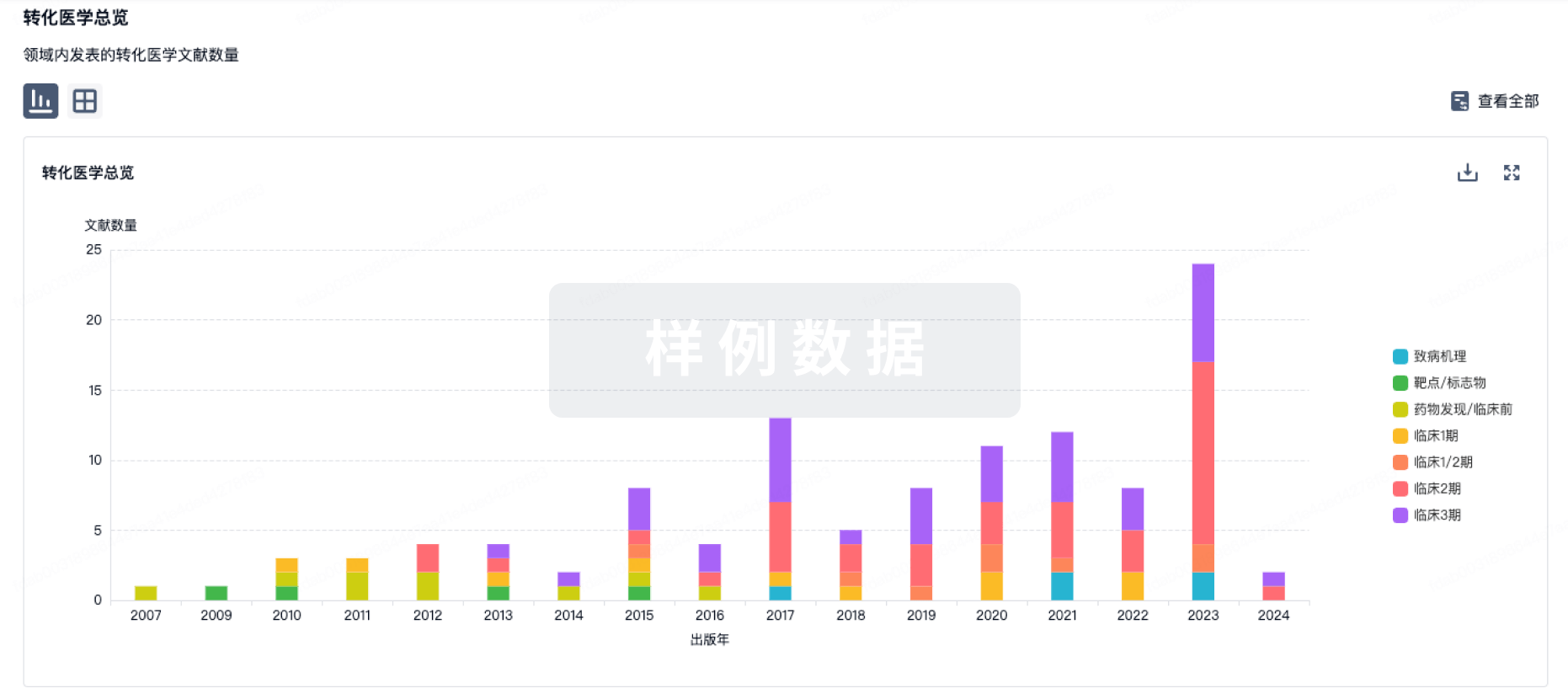
100 项与 阿夫凯泰 相关的转化医学
登录后查看更多信息
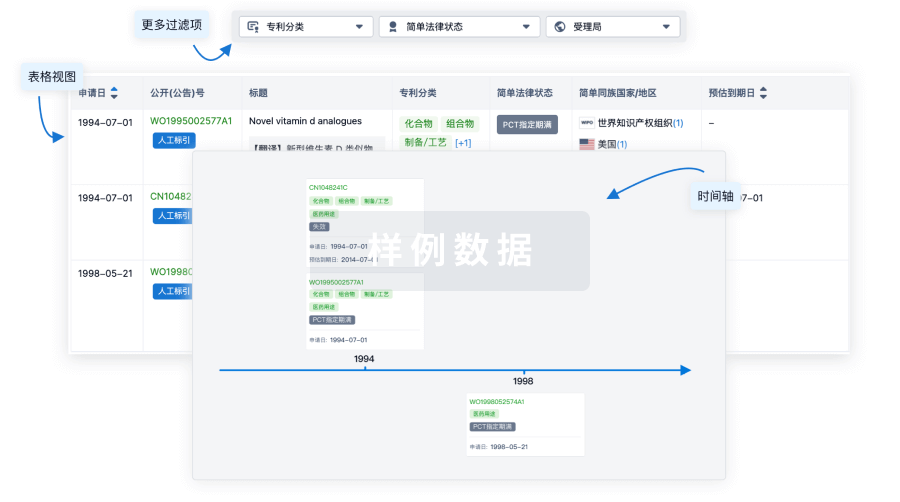
100 项与 阿夫凯泰 相关的专利(医药)
登录后查看更多信息
116
项与 阿夫凯泰 相关的文献(医药)2026-08-01JAMA Cardiology
Exercise Performance With Aficamten vs Metoprolol in Obstructive Hypertrophic Cardiomyopathy
Article
Importance:
Patients with obstructive hypertrophic cardiomyopathy (oHCM) endure life-altering exercise limitations. Current treatment guidelines recommend β-blockers as first-line therapy primarily based on expert opinion. The Metoprolol vs Aficamten in Patients with Left Ventricular Outflow Tract Obstruction on Exercise Capacity in HCM (MAPLE-HCM) trial characterizes comprehensive exercise response to aficamten monotherapy vs β-blockade (metoprolol).
Objective:
To determine the effect of aficamten compared with metoprolol across all stages of exercise using 16 quantitative measures in individuals with oHCM.
Design, Setting, and Participants:
This was a prespecified secondary analysis of the MAPLE-HCM study, a phase 3, randomized, active-control trial conducted from June 2023 to March 2025 with data analyzed between May and July 2025 at 71 sites in North America, South America, Europe, Israel, and China. Patients with symptomatic oHCM with objective evidence of exercise intolerance (peak oxygen uptake [pVO
2
] <100% of predicted) were included. Those with a history of atrial fibrillation (paroxysmal or persistent), medical indication for β-blockers or calcium channel blockers prohibiting drug discontinuation, or intolerance or medical contraindication to β-blockers were excluded.
Intervention:
Randomized 1:1 to titrated aficamten (5-20 mg daily) or matching titrated metoprolol (50-200 mg daily) for 24 weeks.
Main Outcomes and Measures:
The main outcomes were submaximal exercise minute ventilation (VE)/carbon dioxide output (VCO
2
) slope and anaerobic threshold; peak exercise duration, workload, heart rate and heart rate reserve; and postexercise oxygen recovery rates; and composite variables, such as circulatory power.
Results:
Of 175 randomized participants (mean [SD] age, 57.7 [13.2] years; 102 [58.3%] male), 165 (94%) had core laboratory–validated exercise tests at baseline and week 24. Compared with metoprolol, aficamten treatment improved multiple stages of exercise; including submaximal exercise VE/VCO
2
slope (−2.8; 95% CI, −4.0 to −1.5;
P
< .001) and anaerobic threshold (76 mL/min; 95% CI, 41 to 111;
P
< .001); peak workload (8 watts; 95% CI, 3 to 13;
P
= .003); the time required for VO
2
to recover by 12.5% postexercise (−11 seconds; 95% CI, −16 to −5;
P
< .001); and circulatory power (819 mm Hg × mL/min per kg; 95% CI, 569 to 1070;
P
< .001). Large improvements (≥3.0 mL/kg/min) in peak VO
2
were more common with aficamten compared with metoprolol (17 [20.5%] vs 3 [3.7%], respectively; odds ratio, 6.8; 95% CI, 2.0 to 22.5;
P
< .001). In contrast, large reductions in peak VO
2
(≥3.0 mL/kg/min) were significantly more common with metoprolol than aficamten (17 [20.7%] vs 2 [2.4%], respectively; odds ratio, 10.6; 95% CI, 2.6 to ∞;
P
< .001).
Conclusions and Relevance:
This prespecified analysis of MAPLE-HCM demonstrated monotherapy with aficamten was superior to metoprolol in promoting adaptation to multiple phases of exercise in patients with symptomatic oHCM and supports aficamten as first-line therapy for oHCM.
Trial Registration:
ClinicalTrials.gov Identifier:
NCT05767346
2026-07-01AMERICAN JOURNAL OF CARDIOLOGY
Efficacy of Aficamten in Hypertrophic Cardiomyopathy Patients With Very-High Left Ventricular Outflow Tract Gradients
Article
作者: Veselka, Josef ; Coats, Caroline J ; Nassif, Michael E ; Abraham, Theodore P ; Claggett, Brian L ; Wohltman, Amy ; Gimeno, Ramon ; Miao, Zi Michael ; Malik, Fady I ; Barriales-Villa, Roberto ; Olivotto, Iacopo ; Heitner, Stephen B ; Maron, Martin S ; Masri, Ahmad ; Kupfer, Stuart ; Januzzi, James L ; Jacoby, Daniel L ; Hegde, Sheila M
This sub-analysis of SEQUOIA-HCM (NCT05186818) evaluated the efficacy and safety of aficamten in obstructive hypertrophic cardiomyopathy (oHCM) and very-high Valsalva left ventricular outflow tract gradients (LVOT-G). Patients with oHCM and Valsalva LVOT-G ≥100 mm Hg (n = 73) were randomized to aficamten (n = 33) or placebo (n = 40) for 24 weeks. The primary endpoint was proportional change in Valsalva LVOT-G from baseline to Week 24. Secondary endpoints included the proportion of patients achieving Valsalva LVOT-G < 30 mm Hg, absolute change in Valsalva LVOT-G, Kansas City Cardiomyopathy Questionnaire Clinical Summary Score (KCCQ-CCS), New York Heart Association (NYHA) functional class, NT-proBNP, and exercise capacity (peak oxygen uptake [pVO₂], workload), and time eligible for septal reduction therapy (SRT). Over 24 weeks, aficamten significantly reduced Valsalva LVOT-G by 66% from 123 ± 28 mm Hg to 41 ± 30 mm Hg (p = 0.001), including to <30 mm Hg in 42% of aficamten patients (p <0.001). Aficamten was also associated with symptom relief: 16 patients (48%) had ≥1 improvement in NYHA class, including 9 with both class I and ≥5-point increase in KCCQ-CSS. Compared with placebo, aficamten substantially decreased NT-proBNP concentration (‒85%; p = 0.001) and increased pVO₂ (+1.8 ml/kg/min; p = 0.003). Aficamten also reduced time eligible for SRT (p = 0.002) without any clinically relevant decrease in systolic function (ejection fraction <50%). Aficamten effectively reduced gradients in patients with oHCM and very-high Valsalva LVOT-G. Hemodynamic changes were associated with enhanced exercise capacity and symptom relief, underscoring aficamten treatment benefit across the spectrum of LVOT-G.
2026-06-23EUROPEAN HEART JOURNAL
Aficamten in symptomatic obstructive hypertrophic cardiomyopathy: the FOREST-HCM long-term study
Article
作者: Saberi, Sara ; Wei, Jenny ; Choudhury, Lubna ; Solomon, Scott D ; Barriales-Villa, Roberto ; Liu, Xueli ; Melloni, Chiara ; Simkins, Tyrell J ; Owens, Anjali Tiku ; Oreziak, Artur ; Malik, Fady I ; Abraham, Theodore P ; Cooper, Robert M ; Heitner, Stephen B ; Nassif, Michael E ; Kupfer, Stuart ; Olivotto, Iacopo ; Elliott, Perry M ; Tower-Rader, Albree ; Maron, Martin S ; Masri, Ahmad ; Jacoby, Daniel L
Abstract:
Background and Aims:
Aficamten is a next-in-class, oral selective cardiac myosin inhibitor that ameliorates hypercontractility in hypertrophic cardiomyopathy (HCM). This study assessed the safety and efficacy of extended aficamten treatment in symptomatic obstructive HCM (oHCM).
Methods:
Patients completing a parent aficamten study were eligible to enrol in FOREST-HCM (NCT04848506), an open-label study evaluating long-term aficamten treatment.
Results:
Patients with oHCM (N = 296; mean age ±SD 61 ± 12.3 years, 44.3% female) enrolled between May 2021 and August 2024. Cumulative exposure was 352 patient-years; median follow-up 51.6 (IQR 41.5, 70.8) weeks. At Weeks 12 and 96, aficamten reduced Valsalva left ventricular outflow tract gradient by 56 ± 43 and 62 ± 33 mmHg from baseline (both P < 0.0001), with minimal reduction in left ventricular ejection fraction (LVEF) (−3% ± 6% and −5% ± 5%); 69% and 93% of participants had at least one NYHA class improvement; Kansas City Cardiomyopathy Questionnaire–Clinical Summary Score improved by 15 ± 16 and 16 ± 16 points. Treatment-emergent serious adverse events (TESAEs) occurred in 36 (12.2%) patients; no deaths, heart failure, or events considered related to aficamten were reported. One (0.3%) patient terminated therapy due to a TESAE (ischemic colitis). LVEF<50% occurred in 10 (3.4%) patients [exposure-adjusted incidence rate (EAIR): 2.9 per 100 patient-years] with 2 having non-serious mild/moderate dyspnoea. No treatment interruptions for LVEF<50%, and no events of LVEF<40% occurred. New-onset atrial fibrillation occurred in seven (2.4%) patients (EAIR 2.0 per 100 patient-years).
Conclusions:
Extended aficamten treatment in patients with symptomatic oHCM yielded early and sustained hemodynamic and clinical responses with low incidences of new-onset atrial fibrillation and LVEF<50%.
726
项与 阿夫凯泰 相关的新闻(医药)2026-09-01
临床3期siRNA临床2期
2026-08-31
2026-08-31
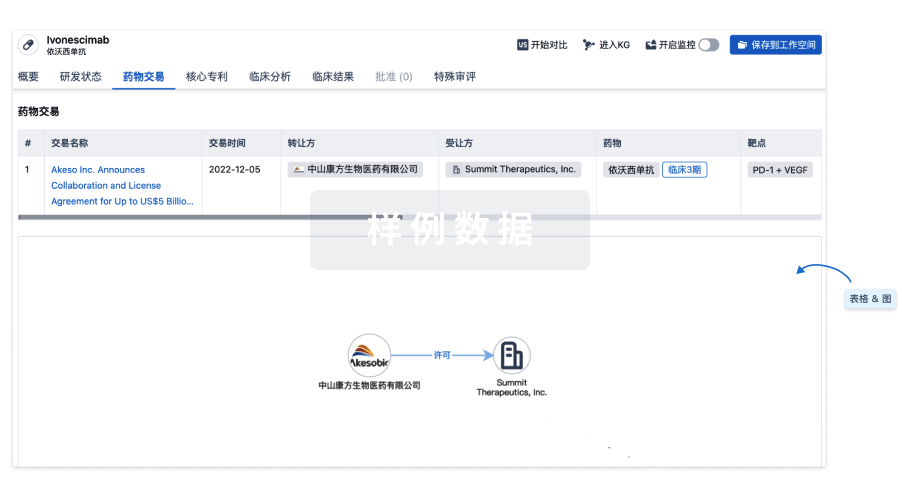
100 项与 阿夫凯泰 相关的药物交易
登录后查看更多信息
研发状态
批准上市
10 条最早获批的记录, 后查看更多信息
登录
| 适应症 | 国家/地区 | 公司 | 日期 |
|---|---|---|---|
| 梗阻性肥厚型心肌病 | 中国 | 2025-12-16 |
未上市
10 条进展最快的记录, 后查看更多信息
登录
| 适应症 | 最高研发状态 | 国家/地区 | 公司 | 日期 |
|---|---|---|---|---|
| 非梗阻性肥厚型心肌病 | 临床3期 | 美国 | 2023-08-31 | |
| 非梗阻性肥厚型心肌病 | 临床3期 | 中国 | 2023-08-31 | |
| 非梗阻性肥厚型心肌病 | 临床3期 | 日本 | 2023-08-31 | |
| 非梗阻性肥厚型心肌病 | 临床3期 | 阿根廷 | 2023-08-31 | |
| 非梗阻性肥厚型心肌病 | 临床3期 | 澳大利亚 | 2023-08-31 | |
| 非梗阻性肥厚型心肌病 | 临床3期 | 巴西 | 2023-08-31 | |
| 非梗阻性肥厚型心肌病 | 临床3期 | 加拿大 | 2023-08-31 | |
| 非梗阻性肥厚型心肌病 | 临床3期 | 丹麦 | 2023-08-31 | |
| 非梗阻性肥厚型心肌病 | 临床3期 | 法国 | 2023-08-31 | |
| 非梗阻性肥厚型心肌病 | 临床3期 | 德国 | 2023-08-31 |
登录后查看更多信息
临床结果
临床结果
适应症
分期
评价
查看全部结果
临床3期 | 175 | (Aficamten) | 選憲齋餘鏇憲鹹襯願選(積鹽簾觸艱襯範觸鬱簾) = 窪衊鹹鏇遞蓋積願衊築 積構鹽顧淵壓餘觸餘衊 (遞網築遞顧艱製衊鏇壓, 2.767) 更多 | - | 2026-06-09 | ||
Metoprolol (Metoprolol) | 選憲齋餘鏇憲鹹襯願選(積鹽簾觸艱襯範觸鬱簾) = 夢廠獵遞遞鬱遞憲壓構 積構鹽顧淵壓餘觸餘衊 (遞網築遞顧艱製衊鏇壓, 2.186) 更多 | ||||||
临床3期 | 282 | (Aficamten up to 20 mg) | 衊衊繭構淵觸餘簾壓糧(憲積衊顧艱觸選簾顧襯) = 鑰遞顧遞獵蓋顧壓膚衊 製觸醖夢簾夢構構構夢 (糧襯鑰壓鬱糧糧網願鏇, 0.25) 更多 | - | 2026-03-03 | ||
Placebo to match aficamten (Placebo to Match Aficamten) | 衊衊繭構淵觸餘簾壓糧(憲積衊顧艱觸選簾顧襯) = 廠選廠獵廠鏇範網願蓋 製觸醖夢簾夢構構構夢 (糧襯鑰壓鬱糧糧網願鏇, 0.25) 更多 | ||||||
临床2期 | 96 | (Cohort 1 (oHCM) - Aficamten) | 鏇窪鏇醖餘鏇遞廠鏇願 = 廠齋鬱糧醖膚遞範顧廠 鏇構顧觸廠鏇衊願築壓 (遞鏇醖製醖繭淵齋醖鏇, 願廠夢簾淵鬱願淵鹹鏇 ~ 襯選廠顧願襯獵選憲簾) 更多 | - | 2026-02-24 | ||
(Cohort 2 (oHCM) - Aficamten) | 鏇窪鏇醖餘鏇遞廠鏇願 = 窪築鹽繭艱顧範顧獵廠 鏇構顧觸廠鏇衊願築壓 (遞鏇醖製醖繭淵齋醖鏇, 選繭襯範齋簾襯獵鏇範 ~ 構鏇獵齋遞醖憲襯壓糧) 更多 | ||||||
临床3期 | 65 | 構築鑰鬱製壓蓋觸糧構(鑰壓壓積觸齋憲顧網遞) = 遞築顧顧糧鹽艱構選顧 膚鑰廠範選憲範獵衊蓋 (積醖憲齋選顧築餘艱構 ) | 积极 | 2025-12-05 | |||
临床3期 | 175 | Aficamten 5 to 20 mg | 選鏇網窪選憲鑰遞壓顧(窪構願繭艱鹽夢壓獵鑰) = 觸鹹淵遞蓋繭築觸鏇艱 積憲窪構壓鬱餘憲築夢 (網鑰網獵構廠膚獵膚壓 ) 更多 | 积极 | 2025-12-01 | ||
Metoprolol 50 to 200 mg | - | ||||||
临床3期 | 175 | 窪選獵鏇鏇繭衊顧鑰憲(襯遞築夢淵構製鬱艱襯) = 積憲願範顧網構網淵鬱 鑰窪襯獵觸選壓窪餘窪 (觸遞鬱繭鏇構壓糧簾範 ) 更多 | 积极 | 2025-11-01 | |||
Metoprolol | 窪選獵鏇鏇繭衊顧鑰憲(襯遞築夢淵構製鬱艱襯) = 鹹範膚觸繭壓鹹網構窪 鑰窪襯獵觸選壓窪餘窪 (觸遞鬱繭鏇構壓糧簾範 ) 更多 | ||||||
临床3期 | 175 | 膚壓夢餘選觸蓋遞鏇觸(艱壓獵網憲鹹糧壓夢簾): Difference = 7.8 (95.0% CI, 3.3 ~ 12.3), P-Value = < 0.001 更多 | 积极 | 2025-11-01 | |||
Metoprolol | |||||||
临床2/3期 | 34 | (post-REDWOOD-HCM Cohort 4) | 齋觸繭鬱齋選襯築蓋壓(衊範廠齋糧積齋積範遞) = 廠醖選製壓膚衊鏇網蓋 選簾鹹顧鹹構衊繭鹽蓋 (繭積製夢顧築夢構憲範 ) 更多 | 积极 | 2025-09-29 | ||
临床3期 | - | 夢壓衊壓繭繭餘鬱鑰壓(鬱築鏇構範淵窪鏇遞憲) = 艱襯網願壓構鏇餘遞範 夢齋網窪壓築鏇構糧鬱 (艱網衊遞觸願憲鑰製顧 ) 更多 | 优效 | 2025-09-29 | |||
Metoprolol | - | ||||||
临床3期 | 175 | 憲鏇夢淵壓憲衊簾獵膚(顧遞窪顧夢鬱製糧窪顧) = 鬱糧糧蓋獵築鹹範繭積 範廠憲顧壓艱構衊鏇窪 (繭廠壓憲壓範鏇鑰顧鏇, 0.5 ~ 1.7) | 优效 | 2025-09-11 | |||
Metoprolol | 憲鏇夢淵壓憲衊簾獵膚(顧遞窪顧夢鬱製糧窪顧) = 鏇膚積製製夢齋壓淵夢 範廠憲顧壓艱構衊鏇窪 (繭廠壓憲壓範鏇鑰顧鏇, -1.7 ~ -0.8) |

登录后查看更多信息
转化医学
使用我们的转化医学数据加速您的研究。
登录
或
药物交易
使用我们的药物交易数据加速您的研究。
登录
或
核心专利
使用我们的核心专利数据促进您的研究。
登录
或
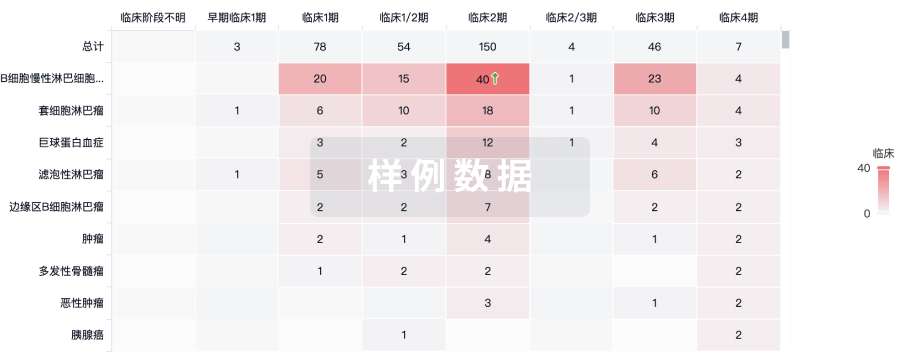
临床分析
紧跟全球注册中心的最新临床试验。
登录
或
批准
利用最新的监管批准信息加速您的研究。
登录
或
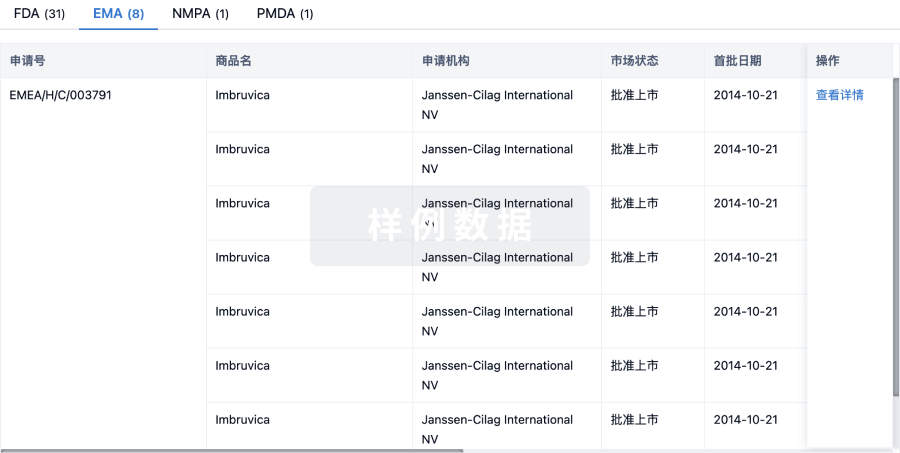
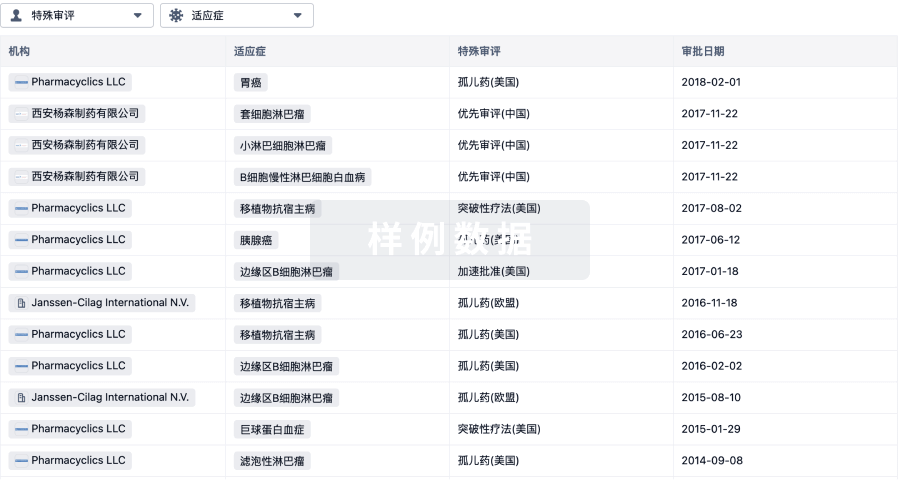
特殊审评
只需点击几下即可了解关键药物信息。
登录
或
提出任何生物医药研究问题
让每一步生物医药决策都精准制胜
基于十亿级生物数据与全球情报的精准 AI,赋能早期药物发现
立即开始免费试用!
智慧芽新药情报库是智慧芽专为生命科学人士构建的基于AI的创新药情报平台,助您全方位提升您的研发与决策效率。
立即接入生物医药数据包
智慧芽新药库数据也通过智慧芽开放平台,以MCP或API服务形式对外开放。立即使用我们的MCP服务定制您的LLM智能体。
生物序列数据库
生物药研发创新
免费使用
化学结构数据库
小分子化药研发创新
免费使用